
In the first chapter of our exclusive Legacy Series, we trace the spiritual origins of DA-MOVEMENT back to a 2009 funeral where the voice of a Chicago icon sparked a new era of street-soul documentation.
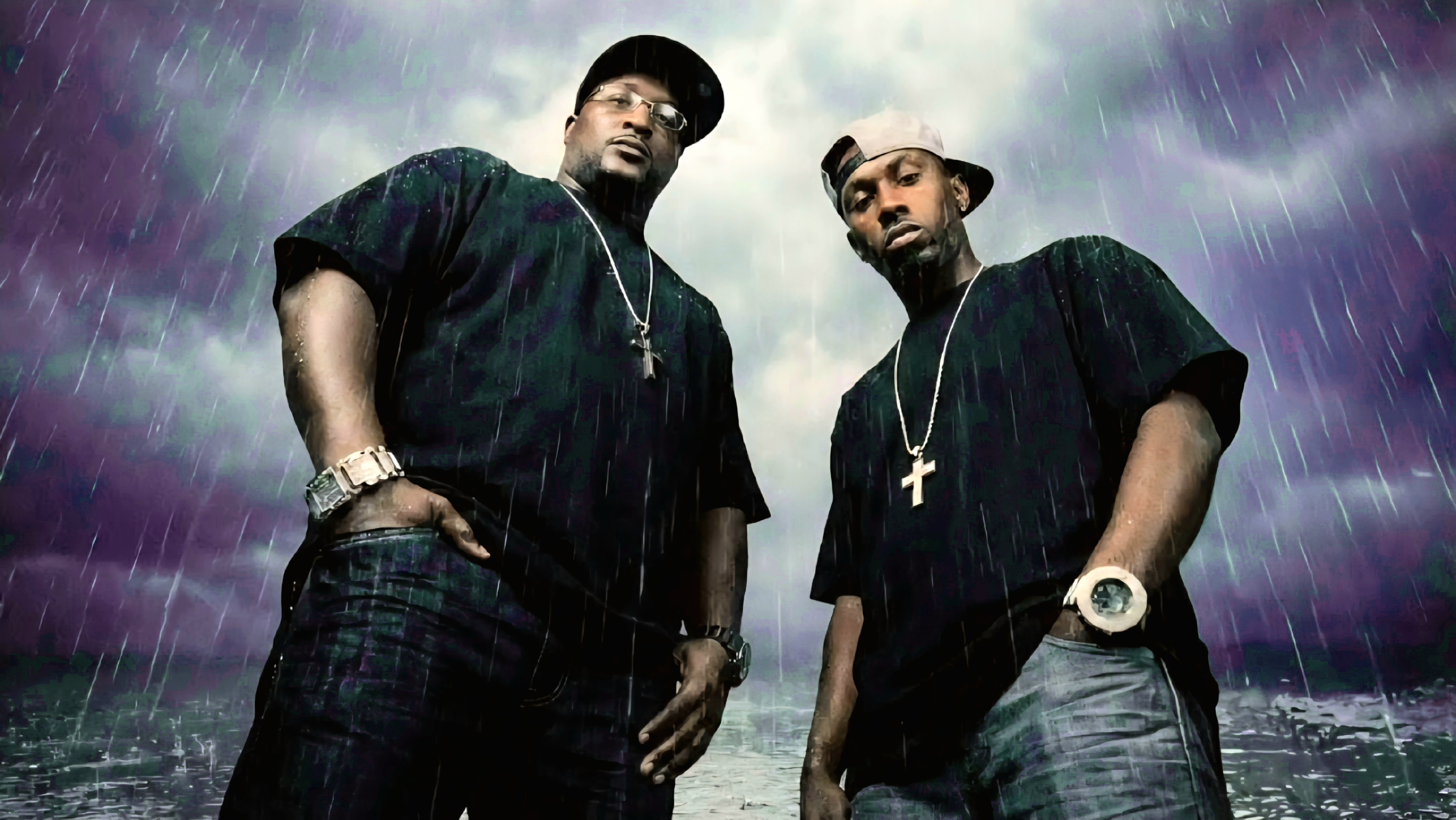
DA-MOVEMENT is not merely a stage name; it is a collective pulse originating from the concrete arteries of Chicago’s West Side. Rooted in the intersections of Grenshaw and ST.LOUIS, this movement is a family affair, a preservation project, and a creative vessel for the stories that the mainstream often chooses to ignore.
At its center is a commitment to the lineage of Chicago’s unique vocal heritage—a specific blend of rapid-fire lyrical delivery and the velvet, gospel-drenched hooks that once defined a global era of hip-hop. By bridging the gap between the legends of the 1990s and the rising voices of the present, DA-MOVEMENT stands as an authorized guardian of the vault, starting with the unreleased archives of the late, great Johnny P.
There are voices that sit on top of a track, and then there are voices that live inside the wood of the speaker. John Phillip Pigram, known to the world as Johnny P, possessed the latter. He was the secret ingredient in the Chicago formula who provided the spiritual lift for the city’s most aggressive street poets. To understand the weight of the track “This Is What It Sounds Like,” one must first understand the man who made the hook feel like a visitation from a higher power.
Johnny P was a prodigy of the West Side who was winning talent shows before he was old enough to drive. By sixteen, he was signed to Columbia Records and walked alongside Mayor Harold Washington in the Bud Billiken Parade. Johnny was the bridge between the soulful gospel of the church house and the gritty reality of the crack era, eventually lending his falsetto to multi-platinum staples like “Po Pimp” with Do or Die and the haunting “Smile” alongside Scarface and 2Pac.
But the story we are breaking today does not start in a boardroom or at a high-budget video shoot. It started at the edge of a grave in 2009.
The procession for Great Aunt Dorothy Reed was a mile long. It was a testament to a woman who was the glue of her community and the backbone of her family. Pompey Hicks IV (AKA PAY) and his father, Pompey Hicks III, arrived just as Dorothy was being lowered into the Chicago earth. In that heavy, somber atmosphere, a sound arose that stopped the wind. It was Johnny P. He wasn’t performing for a check or a camera; he was singing over the grave of kin. It was his raw, unvarnished soul.
This moment of shared grief became the catalyst for something much larger. At the repast later that day, the formalities of the industry fell away. Pay met Johnny P not as a fan meeting a legend, but as family meeting family. In that room, surrounded by cousins like Antonio Rowe (Cuzo AKA A.Rowe) and the rest of the bloodline, a promise was made to build something that would honor their shared history.
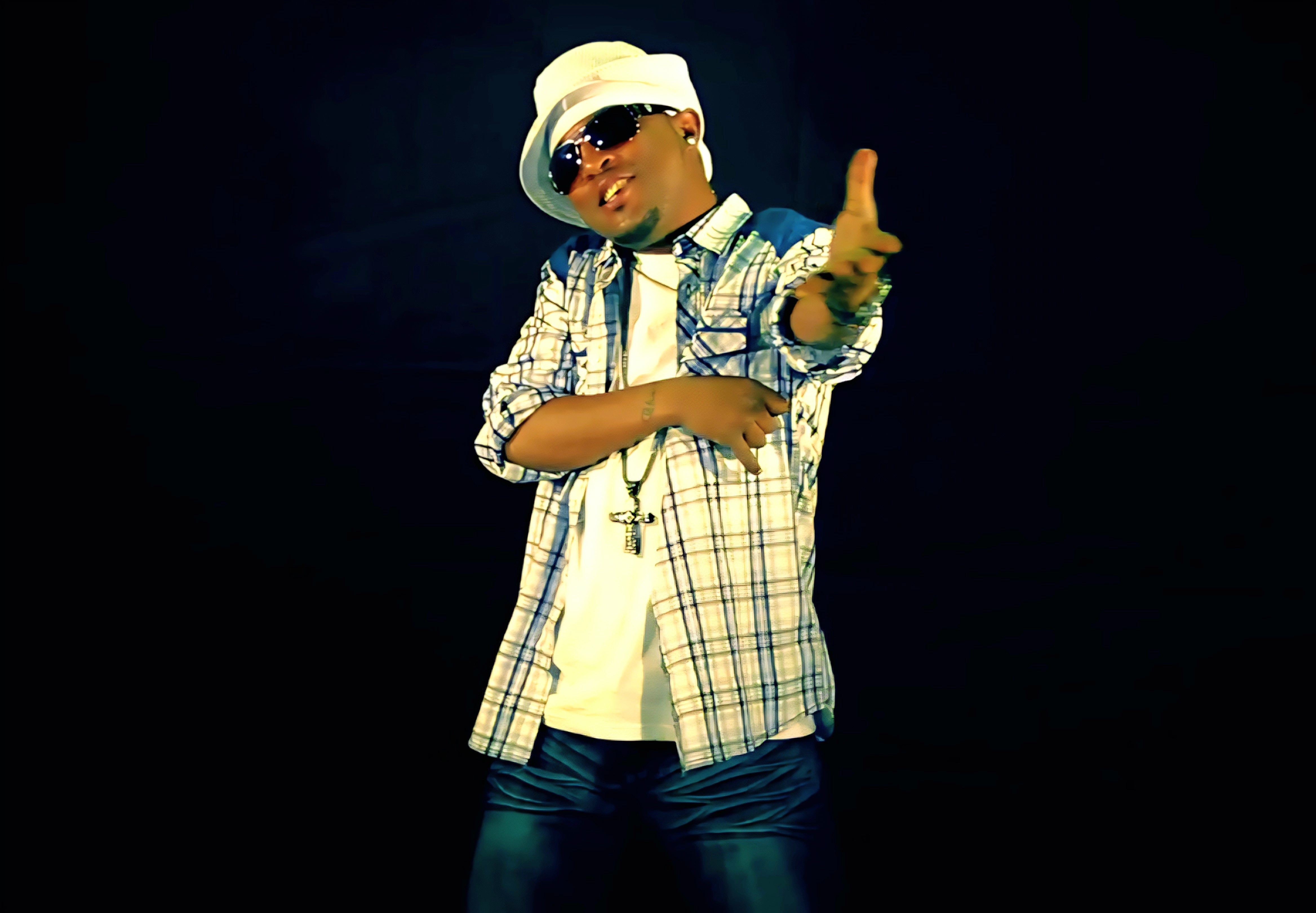
For a time, the music was a quiet flame. Pay had stepped away from the booth, but the fire was relit by his wife, Rayshon, who introduced him to her first cousin, Darius Jackson—the architect known as Qraft.
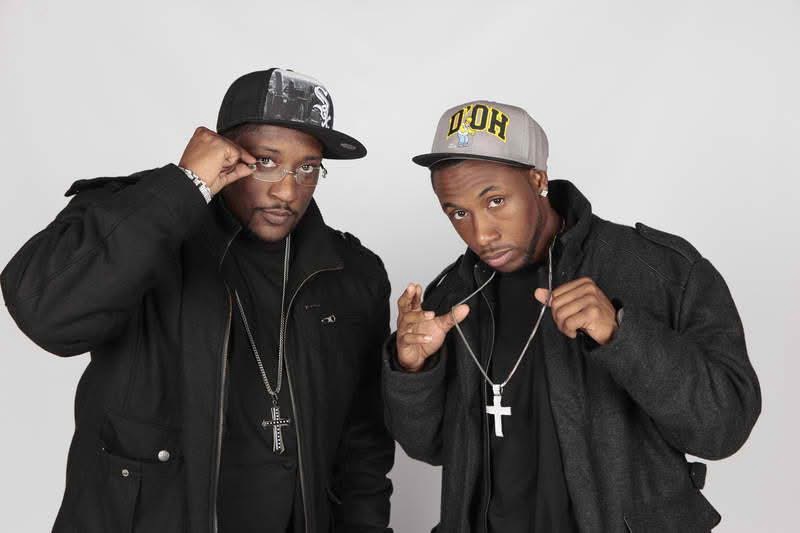
Together, they began carving out a new space at the studio of producer Brandon Michael Worix. It was there that the first skeleton of DA-MOVEMENT took shape with a track called “I’m Paid” featuring Cuzo and Qraft.
When Pay took that record back to the block—the corner of Grenshaw and St. Louis—Johnny P was there. And this wasn’t just a business meeting; it was family.
The connection ran deep: Pay’s cousin Mark built a life with Johnny P’s sister. Mark raised her eldest son, Cord, as his own, alongside their children Daris and Mark Reed. This united lineage—bound by both blood and upbringing—made Pay and Johnny P family. The bond touched every generation, as Johnny P was also deeply close to the matriarch, Great Aunt Dorothy Reed.
Because of that bond, Johnny P listened with the ear of a veteran and the authority of a legend. He didn’t offer empty praise. He gave Pay a challenge. He told him to find a real record—a track with enough gravity to hold his voice—and promised that if he did, he would jump on it.
The search for that record became an obsession. Back at Brandon Michael Worix’s lab, the air was thick with discarded beats. Just as the energy was beginning to fade, Brandon played a snippet—ten seconds of a rhythm that felt like the city breathing. He cut it off almost immediately, claiming he was saving it for his own project. But some sounds cannot be hidden. Pay recognized the frequency. He convinced Brandon to let the track go, promising that this was the record that would feature Johnny P.
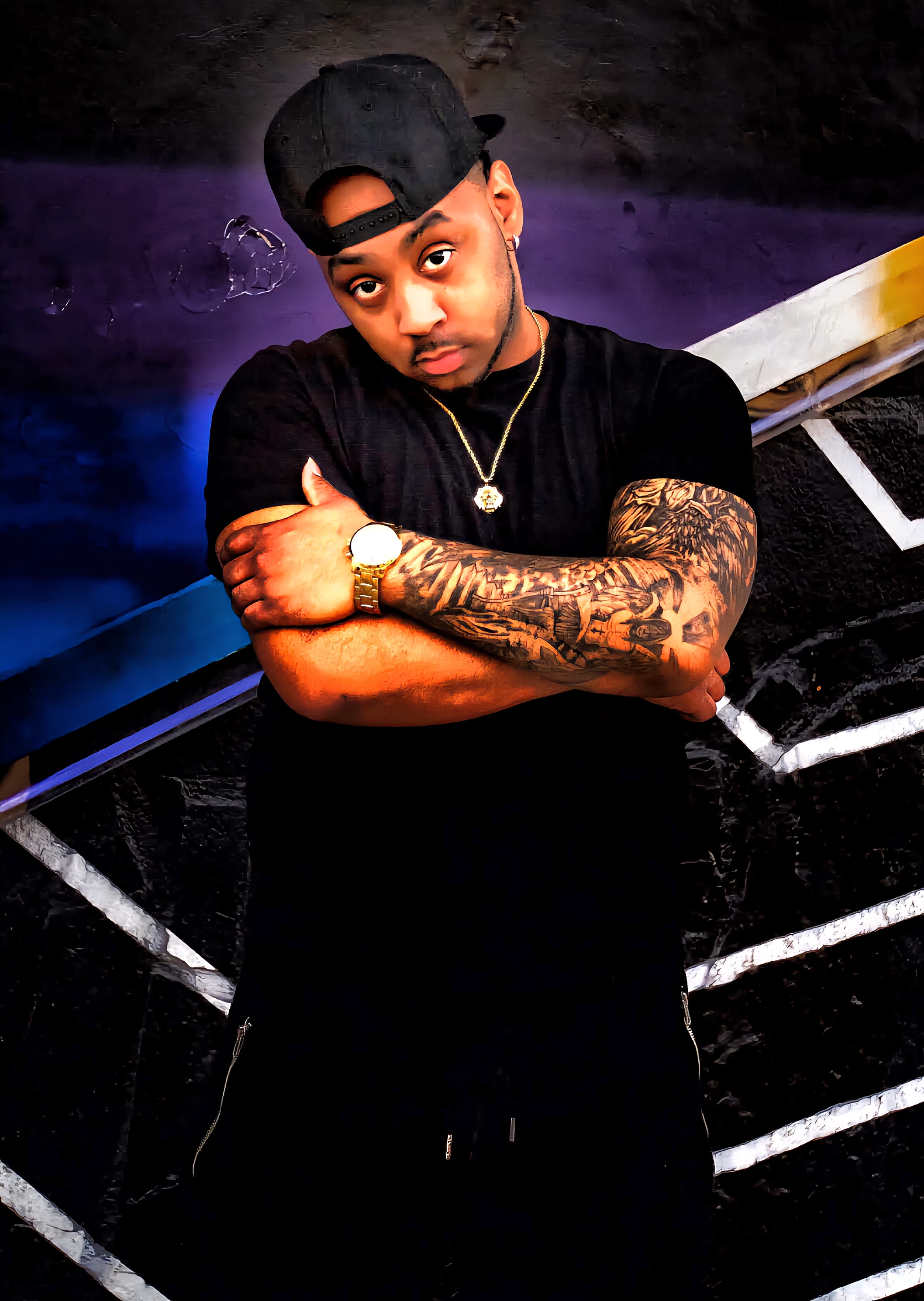
When the beat dropped at the corner of Grenshaw and St. Louis, Johnny P didn’t just hear it; he began to vibrate with it. He declared it a hit on the spot, but he insisted on a professional environment. This was not a “block record”; this was a legacy record. They booked United Technique Recording in the South Loop, a space where the acoustics matched the ambition. Working with engineer Rae Nimeh, the synergy was instant.
The session was a masterclass in the technical brilliance that the industry has since tried to replicate with software. Johnny P walked into the booth and freestyled the hook in a single take. He asked Rae to “fly the hooks”—a term for duplicating the vocal across the track—but it was his ad-libs that truly transformed the session. He didn’t just sing background vocals; he used his voice as an instrument, layering textures that Rae Nimeh caught with surgical precision. During the final hook, Johnny P held a note that seemed to defy the limits of human breath, a long, unwavering frequency that left everyone in the control room silent. It felt as if heaven was raining down inside the studio.
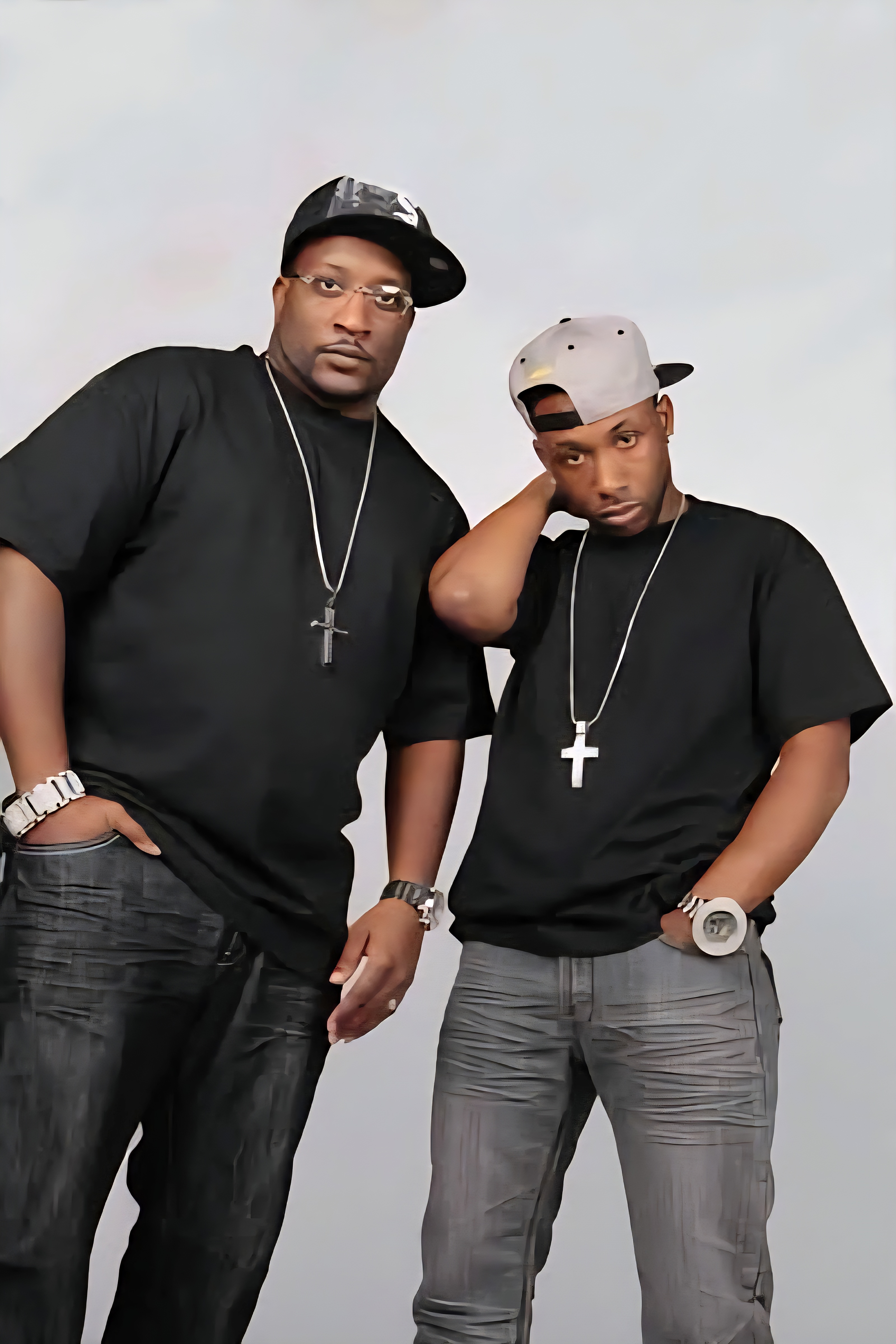
This archive is more than a song; it is a vital piece of the puzzle in the fight against Black and Brown erasure. In the modern era, the specific “Chicago Sound” is often sampled, stripped of its context, and sold back to the public without credit to the originators. By releasing this Legacy Series, starting with “This Is What It Sounds Like,” DA-MOVEMENT is asserting ownership over the narrative. They are proving that the soul of the city cannot be manufactured or automated. It must be lived. It must be felt at a funeral and then carried into the booth.
Johnny P was the glue that held this foundation together. He was the one who validated the vision and brought the street and the studio into a perfect, soulful alignment. That summer of 2009 was a season of plotting and deep connection on the West Side of Chicago. It was a time when the elders and the youth were speaking the same language. On that same block, Johnny P introduced the collective to Never of the legendary group Crucial Conflict. The talks began then for a remix that would take this movement to even greater heights—a project known as “24’s.”
But the story of that collaboration, and the six other unreleased gems sitting in the vault, is a chapter for another time. For now, we sit with the beginning. We sit with the voice that rose from the graveside to remind us all what the truth actually sounds like.