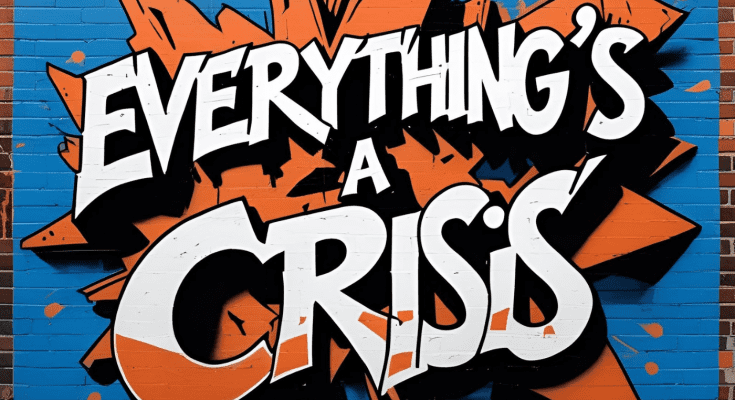

The everyday meltdown
Picture this: someone asks a friend for a small favor—say, proofread a short text. What follows is a full-blown orchestration of tragedy. “There’s no time, my back hurts, I’ll die if I peer at these words again.” Suddenly, a 5‑minute task becomes a multi-day spectacle. Sound familiar? In everyday life—and especially online—there’s a tribe of people for whom every step is a cliff, every breeze is a hurricane, and every ask is a personal assault.
These standouts are the chronic complainers: they need others to respond, to stroke them, to confirm their suffering. It’s not just attention—it’s emotional power. And when the spotlight fades? They escalate. They storm. They blow all of it up.
The psychology of melodrama
What drives it? It’s part narcissism, part emotional manipulation—throwing enough minor torches until someone brings the whole firetruck. Social media magnifies it: collapse becomes epidemic because everyone becomes witness to one more “existential crisis” over burnt toast.
In broader culture, it’s called “outrage culture” or offense culture—a phenomenon rooted in free speech but warped into a carnival of perpetual offense . When everything offends, nothing moves the needle. You become immune—and fatigued—because every complaint sounds like the fire alarm for a microwave dinner.
Hip-hop tropes: from “No Complaints” to “Paid My Dues”
Hip-hop often flips this dynamic. Instead of dramatizing hurt feelings, artists celebrate resilience and self-reliance. Two tracks capture this contrast vividly:
Metro Boomin feat. Drake & Offset – “No Complaints”: It’s all swagger and ‘count your blessings’ energy—no room for whining .

NF – “Paid My Dues”: This is the antidote—a raw, defiant declaration against complainers. NF spits:
“But the fact that you released it tells me two things are for certain:
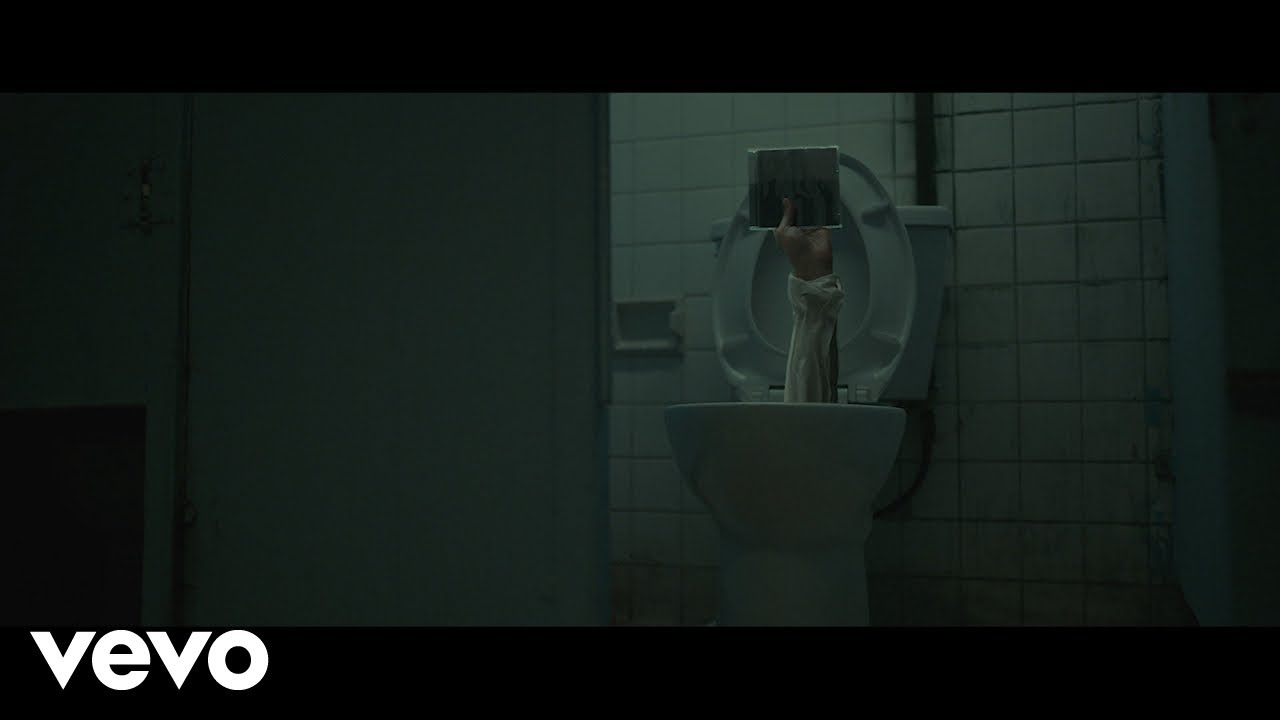
They get paid for trashin’ people, I get paid ’cause I stay workin’.”
It’s a reminder that, yes, stepping into the struggle and sticking to your craft beats making mountains out of molehills.
Real-life echoes
Remember when Willie D of Geto Boys demanded that “Still” not be used to glorify political protest by storming a Keurig machine? He said it:
“The song’s intended message … supports the underdog, not those promoting division and double standards.”
He refused to let his art become fodder for shallow outrage. That’s integrity—standing for your vision while refusing to play into the victim-performers’ dramas.
Why it matters
Chronic complainers drain creative energy, distort truth, and encourage others to either clam up or overreact. In workplaces, friendships, or creative teams, they can lock the door on real solutions by framing everything as a personal attack. In the age of social media, that’s not just exhausting—it’s dangerous.
Favor the NF mindset: you show up, do the work, respond to criticism—not with victimhood, but with deliberate effort. That’s how you build depth, not drama.

Final take
We all know the score: complainers looking for applause by crying wolf. But hip‑hop teaches us another path—instead of magnifying problems, show up and grind. Be the person who builds, not the one who bleats. Make the next move. Write the next line. Paid your dues? Prove it—don’t just mention it.