
In nearly three decades of navigating the intersections of music journalism and social science, I have learned that a vision is a fragile thing before it becomes a foundation. Whether you are drafting a verse in a cramped studio or sketching a business plan on a paper bag, that initial spark is pure alchemy. It is the moment where “what is” begins to bow toward “what could be.” However, there is a specific type of gravity that threatens to pull every rising idea back to the dirt. I am talking about the default cynic, the person who meets every possibility with a catalog of why it will fail.
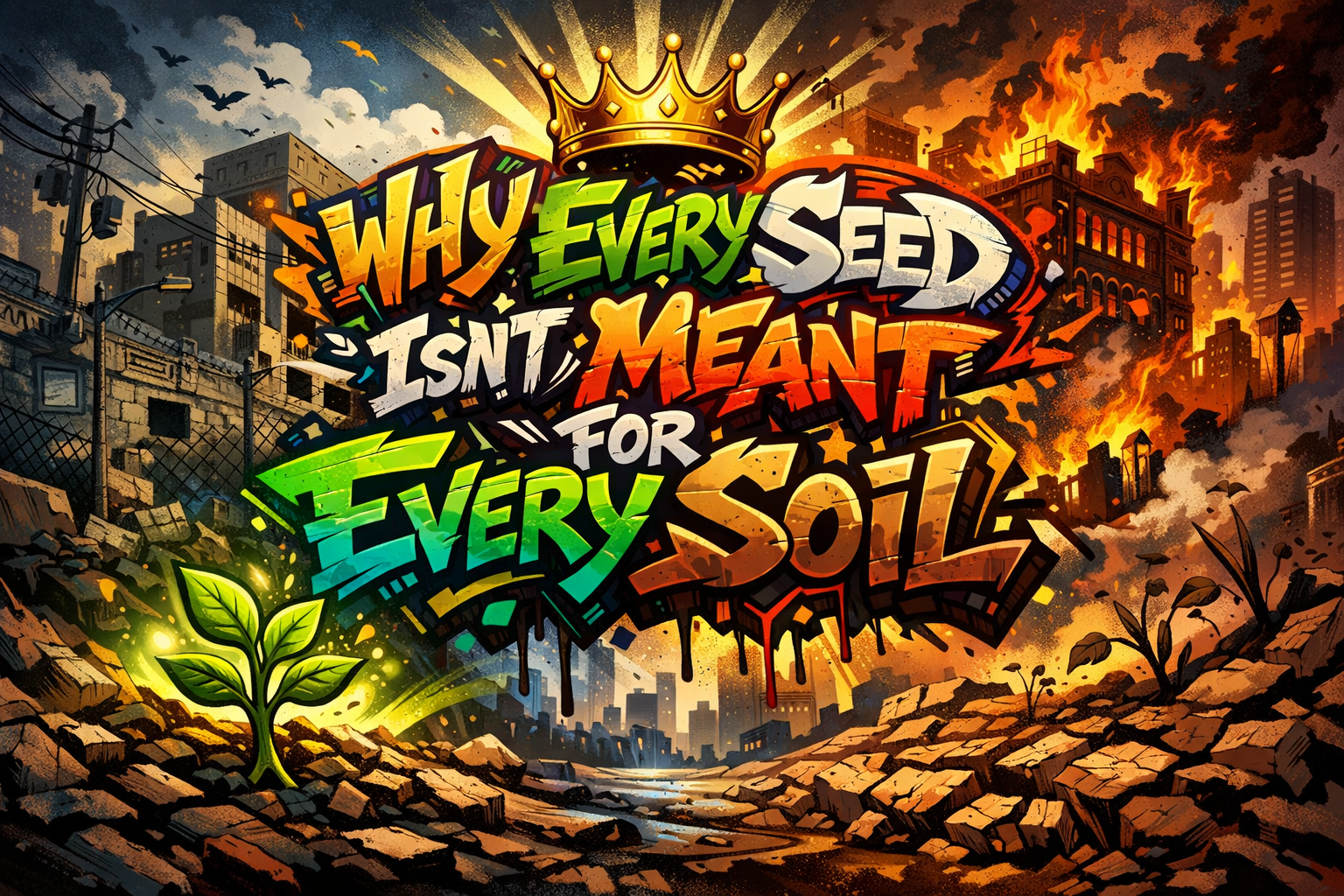
For those of us rooted in the culture of hip-hop and underground movements, we know that our very existence is a protest against the “impossible”. If the pioneers in the Bronx had listened to the cynical social commentary of their era, the turntables would have stayed silent. Instead, they practiced a sacred form of discernment. They knew that sharing a blueprint with someone who acts on negativity first is like trying to grow a garden in salt. It is not just unproductive; it is destructive to the spirit.
The Social Mechanics of the Default No
When we look at this through a social science lens, we see that heavy cynicism is often a defense mechanism masquerading as expertise. People who apply “conecism” as a default thought process are usually protecting themselves from the vulnerability of hope. If they convince you that your idea is flawed, they never have to confront the fact that they are standing still while you are moving.
In the world of criminal justice and advocacy, I have seen how systemic negativity is used to crush community morale. On a personal level, the effect is the same. When you share your “why” with someone who is committed to their “why not,” you are essentially handing them a hammer and wondering why they aren’t helping you build. Their negativity is a narrative they have written for themselves, and they will fight to make sure you are a character in that same story.
The High Cost of the Wrong Audience
Writing with a rhythmic, poetic prose requires a certain level of emotional grounding. You have to feel the beat of the idea before you can put it on the page. Sharing that idea too early with a negative person interrupts your internal rhythm. It forces you into a defensive posture, making you explain away “logic” that was never meant to apply to a dream in its infancy.
The social cost is high. Every time you defend your vision to a cynic, you leak the energy required to actually build it. You become an educator in a room that doesn’t want to learn, which is the exact opposite of the Solomon Reed philosophy. Our job is to move people, not to be anchored by those who refuse to budge.
The Actionable Gem: The Incubation Protocol
If you want to keep your momentum, you must adopt what I call the Incubation Protocol. Before you speak your idea into the atmosphere, ask yourself if the listener has a history of building or a history of breaking.
The Protocol: For the first thirty days of any new idea, speak of it to no one who has not already proven they can handle a seed without crushing it. Build the prototype, write the first chapter, or record the demo in total silence. Let the work develop its own weight so that by the time you do share it, the cynic’s words will bounce off the finished product rather than piercing the raw idea.
The View from the Finish Line
We are living in an era that needs more creators and fewer critics. The world is heavy enough without us adding the weight of unnecessary doubt to our own shoulders. You have a responsibility to the gifts you have been given to ensure they reach maturity.
Do not be discouraged by the silence of the room or the loudness of the skeptics. There is a profound optimism in realizing that you are the primary gatekeeper of your own peace. When you stop seeking validation from the negative, you find a new frequency of productivity. Keep your head up, keep your blueprint close to your chest, and keep building. The smile on your face when the vision finally manifests will be all the social commentary you ever need.