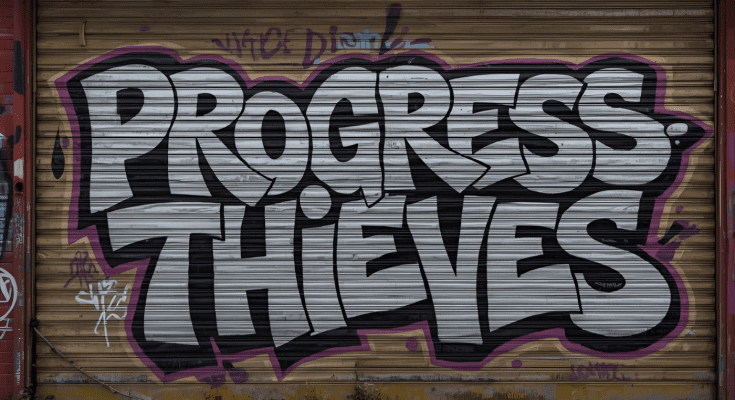

There are people who, rather than build themselves, devote energy to pulling others down. They might never create anything—but they can get a twisted sense of joy from sabotaging someone moving forward. In toxic workspaces, academic halls, or creative communities, these behaviors boil over into sabotage: exclusion, miscommunication, resource blocking, spreading rumors, taking credit—not collaboration but obstruction .
The motivations? It’s not always conscious:
Some operate from a sense of injustice: believing they’re ignored or overlooked, so they lash out by undermining others—revenge masquerading as restoration of balance . Others wear the Dark Triad suit: narcissism, Machiavellianism, or psychopathy. They devalue collective success, manipulate information, and sabotage knowledge to stay ahead economically or socially—not to create value, but to restrict it . And often, emotional wounds rooted in childhood—fear of vulnerability, deep self‑doubt—direct people to sabotage others to avoid confronting their own fractures.
These aren’t productive people—just well-practiced blockers. They find fulfillment in the frustration of others.
Sabotage as a Weapon: Tactics That Feel Good to the Blockers
The sabotage isn’t always dramatic. It’s often subtle and emotional, yet devastating:
Withholding knowledge or access—key information left unshared, meetings omitted, email threads ignored . Constant negative critique or microaggressions—making yourself seem incompetent or unworthy through repeated trivial hits . Micromanagement, unreasonable demands, or resource denial—ensuring failure is built into the system. Rumors or credit theft, erasing your contributions while they bask in artificial authority.
These tactics interrupt the focus and momentum of anyone trying to move forward.
Why True Progress Feels Lonely — And Why That Aggravates Blockers
Accelerating forward often feels isolating, especially when you’re silent-building while others gossip. Higher the momentum, deeper the silence you maintain. That contrast—between your aim and their aimlessness—stings.
Neuroscience research shows distractions cost ~23 minutes to refocus each time, and proactive sabotage of attention is a joy to certain people—they thrive on fragmentation, emotionally feeding off the chaos they cause in others’ heads .
Meanwhile, blocking becomes a form of emotional regulation for them. If they can’t build worth, they’ll destroy someone else’s environment to feel momentarily more secure.
The Mirror Within: Sabotage You Do to Yourself
Many who blunt others’ wings are mirrors of self‑sabotage warriors. Perfectionism, impostor syndrome, fear of success or failure—all these internal blockages come from similar places:
Self‑handicapping: creating excuses before the race even starts, so failure can be blamed on external factors—not skills or effort . Emotional avoidance: procrastination isn’t laziness—it’s escape from fear or uncertainty, a learned pattern of avoidance from early conditioning . The Shadow self: Jung’s concept of rejected traits that fester beneath the surface, later erupting in sabotage—sometimes projected onto others in destructive ways .
Standing Firm: How to Disarm Progress-Thieves
If someone gets joy from distracting you—don’t hand them the weapons.
Document everything: emails, tasks, exclusions, comments. Fact-based evidence is harder to deny . Communicate assertively: calmly call out the pattern—“I wasn’t included, can you clarify?”—focus on behavior, not emotion, and insist on solutions . Strengthen your boundaries: schedule uninterrupted work blocks, minimize exposure to energy-vampires. Reflect inward: therapy, journaling, shadow work—identify projections. When you heal your internal saboteur, you lose the magnets that attract external blockers.
Musical Pairing: “Paid My Dues” by NF
For every hater who tried to stop you, critics who lived off your breakdowns, NF’s “Paid My Dues” is the anthem. “I read your article… I stay workin’”—it’s a declaration of persistent motion in the face of distraction and sabotage . The raw honesty—no half‑measures, no shame in calling out who tried to derail you—makes it the perfect soundtrack for this narrative.
Progress‑blockers thrive in the shadows of others’ effort—but they’re not creators. They’re emotional voids feeding off interference. You aren’t responsible for why they act out—but you are responsible for your response.
Build quietly. Move wisely. Document thoroughly. Protect your energy. And when the sabotage starts, let the music remind you: you paid your dues—and you’re getting paid in evolution.