
“If you’re silent, it’s considered guilt. If you speak, it’s considered defiance. Either way, you’re on trial.” – Unknown
In a world that rewards the loudest voices and fastest responses, silence has become a radical act.
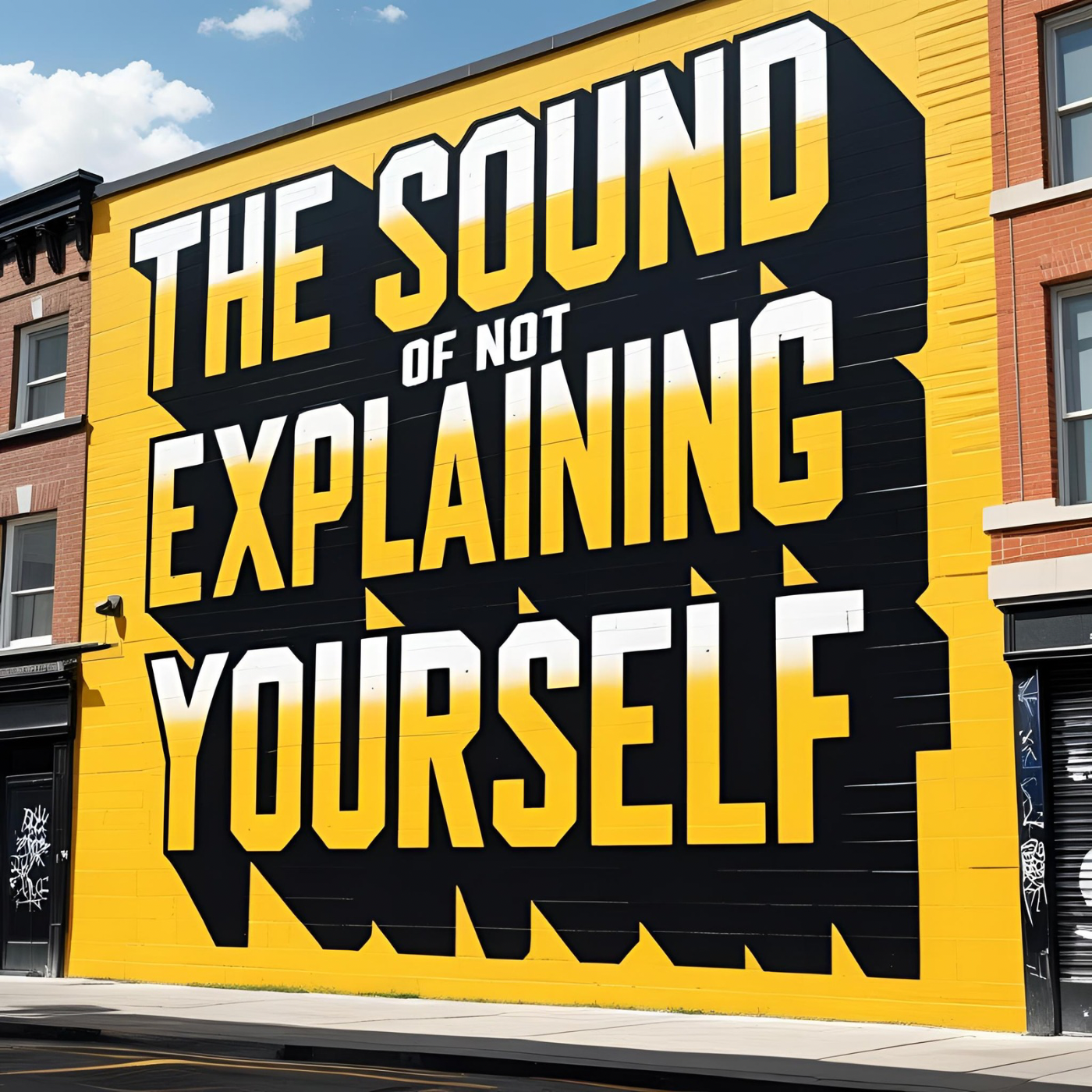
Not silence as in disengagement. Not avoidance. But a conscious, grounded refusal to perform. To justify your existence. To explain what doesn’t need to be explained.
This article isn’t about passive withdrawal. It’s about active presence—choosing not to fill every space with sound, word, or reaction. Especially when someone’s demanding it.
Think about the rapper MF DOOM, who hid his face not out of shyness but out of protest. While the industry demanded image and constant availability, DOOM gave them bars behind a metal mask and walked offstage mid-performance if the energy wasn’t right. He didn’t explain. He just moved on.
Or look at Lauryn Hill, who famously told the crowd at MTV Unplugged, “Fantasy is what people want, but reality is what they need.” She spoke, yes—but only when she had something that mattered. She took years off, and people called her “difficult.” But maybe she just wasn’t interested in being consumed.
Because there’s power in knowing when to speak—and when not to.
The Pressure to Perform
There’s a quiet tyranny in modern life: the expectation to always respond.
Explain why you’re not texting back.
Justify your boundaries.
Argue your identity.
Defend your silence.
This is especially true in marginalized communities, where simply existing without explanation is seen as suspicious. The moment you’re not performing—whether that’s smiling, explaining your trauma, or proving your worth—you’re seen as dangerous. Or arrogant. Or “not a team player.”
But what if stillness isn’t weakness? What if it’s wisdom?
The Spiritual Weight of Silence
Some of the most profound moments in life happen in stillness. The intake of breath before a verse drops. The held pause after a funeral eulogy. The silence between lovers, broken only by understanding glances.
Not speaking is a form of resistance when you’re being pressured to. It reclaims autonomy. It forces others to sit in their discomfort. And most importantly, it protects your peace.
Monks take vows of silence not to disconnect from the world, but to reconnect with their inner compass. For many in hip-hop and black communities, silence isn’t luxury—it’s survival. Sometimes the safest move is to say nothing and watch.
And if that bothers someone?
That’s their discomfort. Not your obligation.
The Perfect Track: “Don’t Explain” by Billie Holiday
To pair with this truth, we need a song that speaks louder through what it leaves unsaid. Billie Holiday’s 1944 track “Don’t Explain” is a masterclass in emotional restraint. The lyrics are hauntingly simple:
“You know that I love you
And what love endures
All my thoughts are of you
For I’m so completely yours”
She doesn’t rage. Doesn’t accuse. Doesn’t beg. She states, then exits. The silence after that final note says more than any shouted monologue ever could.
Though jazz, this song is hip-hop at heart. It’s raw, it’s unsparing, and it’s drenched in power withheld.
For the Waffle Fam: You Don’t Owe Them a Performance
To every artist, activist, and soul reading this: you don’t have to speak just because someone wants noise. You don’t have to respond to every message, every accusation, every challenge to your peace.
There is wisdom in waiting.
There is art in withholding.
There is freedom in not explaining yourself.
And when you do decide to speak? Make it matter.
🧇🧇🧇