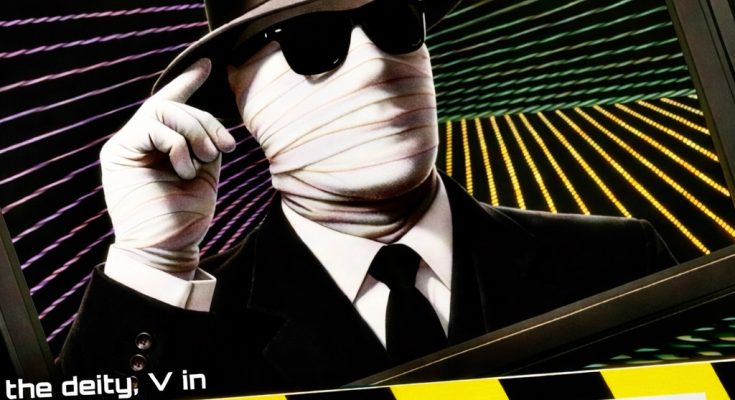

In a landscape where digital algorithms demand constant visibility and streamlined sounds, Maximum Head Room chooses the shadows. This project feels like a dusty reel discovered in a basement, fragmented and dense, yet vibrating with an energy that modern software cannot replicate. By leaning into deconstructed forms and spoken word, the creators challenge the current divide between digital perfection and the raw honesty of analog expression. It is a deliberate refusal to be optimized for a feed, standing instead as a gritty reminder that true art often lives in the spaces the machine cannot map.
The streetwise wisdom here is found in the silence as much as the noise. While most artists are busy chasing the next viral loop, Maximum Head Room is engaged in a thoughtful exploration of what it means to create without an audience in mind. The writing is sharp and disorienting, moving with the heavy gait of someone who has seen the industry’s gears and decided to throw a wrench in them. It is not music for a passive listener; it is a cinematic experience that demands you sit with the discomfort of its complexity.
There is a powerful lesson in freedom through discipline hidden within these acts. By adhering to a strict artistic construct and maintaining an intentional distance from mainstream structures, Maximum Head Room finds a liberation that most “visible” artists will never know. It takes a specific kind of mental fortitude to remain unconcerned with accessibility. This discipline creates a fortress around the work, ensuring that the creative message remains untainted by the pressures of marketability or the need for instant gratification.
Ultimately, Maximum Head Room serves as a cinematic score for the outsider. As MF Grimm suggests, the production and wordplay unfold like scenes in motion, drawing the listener into a world that feels both ancient and ahead of its time. By rejecting the digital optimization that defines our era, this project reclaims the narrative of what independent hip-hop can be. It is a stubborn, poetic, and essential piece of work that proves the most impactful voices are often the ones you have to work the hardest to hear.
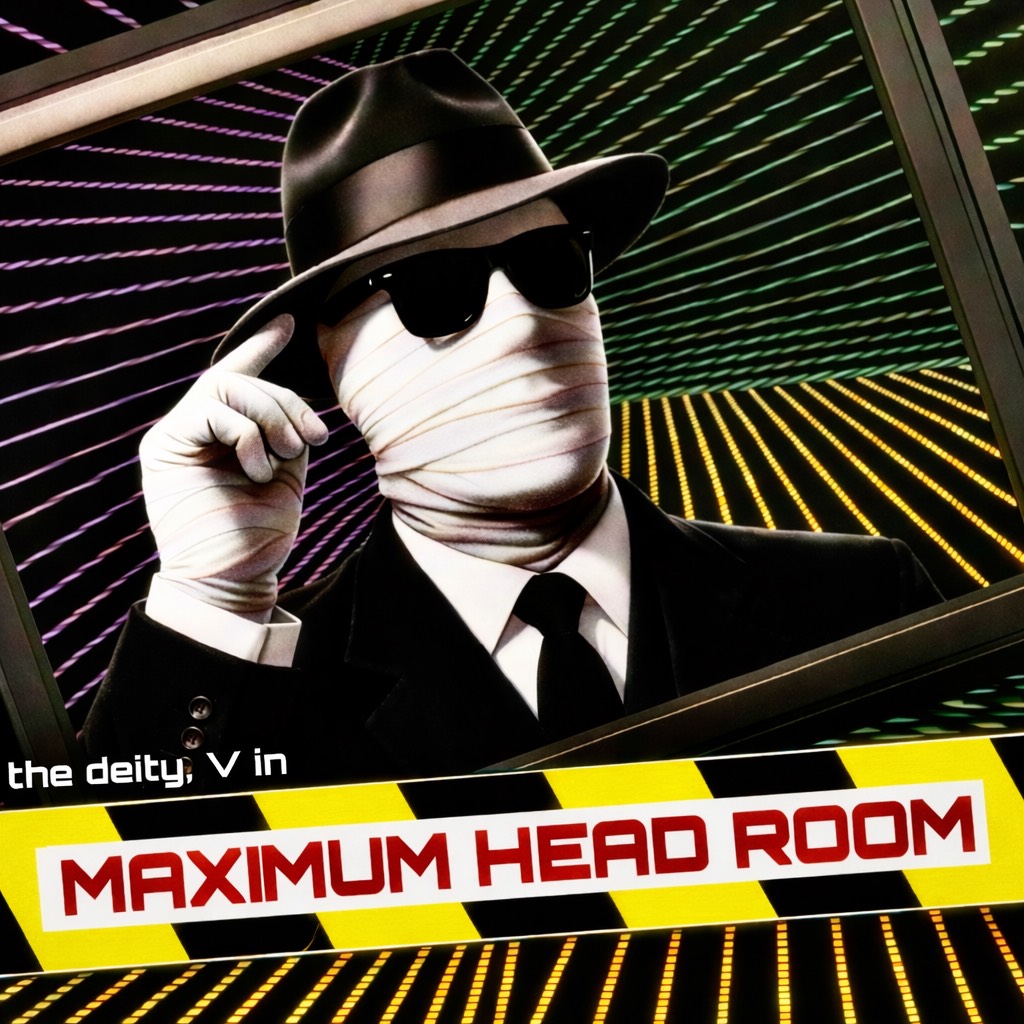
Maximum Head Room is less a traditional musical group and more of a persistent artistic construct built upon years of intentional obscurity and unrecorded material. Operating through pseudonyms and resisting the standard industry rollout, the project functions as a series of recovered transmissions. This collective effort leans heavily into a highly literate, disorienting writing style that bridges the gap between abstract composition and experimental literature. Supported by the legendary MF Grimm, the project is framed as a cinematic musical journey, structured like a film score across three distinct acts, prioritizing narrative depth over conventional accessibility.

Ou bat tanbou epi ou danse ankò.