The Lawyer Who Objected to Silence: An Intro to the Mixtape Cassy Judy is Making.
In the music industry, it is extremely hard to come across an artist who makes a living by cross-examining a witness and finding his or her way through the mazes of the Australian legal system, but here we are. Cassy Judy, a Sydney based criminal lawyer in Australia has succeeded in creating a creative space, which is not as much a hobby but a required balancing factor to the seriousness of her work life. Her most recent album, The Cassy Judy Mixtape, which will go on sale on November 7, 2025, provides the audience with something that cannot be served to us in a vacuum-packaged, algorithms-friendly single. This is not slick pop produced in a boardroom; this is crude, sometimes humorous, sometimes even devastating, an assembly of tales of a woman who has been on the inside and the outside of the system.
The first thing I heard when I pressed the play button was that I had no idea whether I was going to listen to a legal brief or a cabaret set. Fortunately, the response to this is a little of both. Cassy Judy is not a newcomer to the Sydney Queer Performance Scene, and her performances have been typically characterized by a combination of comedy, activism, and an unescapably loud on stage persona. On this record, however, she removes a part of the show-business armor to show the man beneath. The EP comes like a pub conversation you could have had after a long week- frank, somewhat disorganized, and so very interesting.
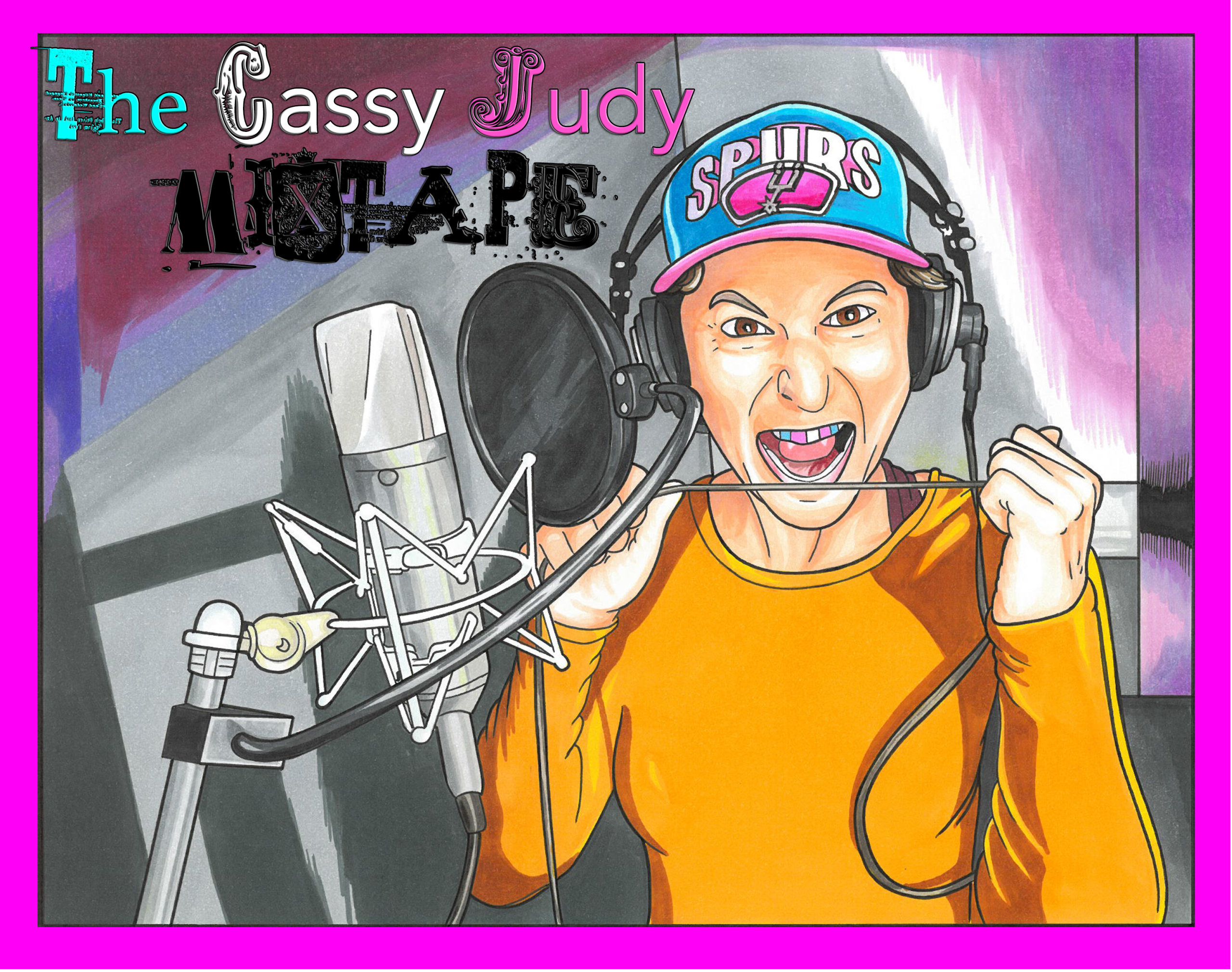
The recording was done in Quarterpipe Studios in Gymea Bay, which appears to situate the music to a very localized reality. Cassy has produced a record that is touchable working with producer Derek J. Turner, whom she lovingly calls the original daggy Shire dad. It is almost possible to hear the room, the choices made and the pure happiness of working together. It is noteworthy that this release is her first sax studio work, which only serves to augment her existing range of skills. However, other than the instrumentation, what catches your eye is the narrative voice.
Cassy Judy is particular and direct where most lyrics in this genre are generally inoculated with unnamed heartbreak. She uses her first-hand experience as a criminal lawyer in Broken Hill a remote mining city in outback New South Wales. It is not a setting you would normally read about in the indie-folk or alt-pop. The writing is permeated with the dusty harsh reality of legal aid work, especially with the Aboriginal Legal Services. She does not talk of injustice as an abstract idea, but it is something she observed with her own eyes.
it would be doing this a disservice to say it was a mere political record. A kind of fun is evident here, one feels unwilling to have the world press the spirit down. The EP swings both deep and light in a birds-eye perspective of a multitude-containing artist. She is a lawyer, but also a trans woman who finds her way through her own life, a daughter who takes into consideration her mother, but also a performer who simply wants people to dance. The Cassy Judy Mixtape is a proposal to experience all these elements simultaneously, without them having to make nice sense. It is a mad, gorgeous cluttered mess of a life lived noisily.
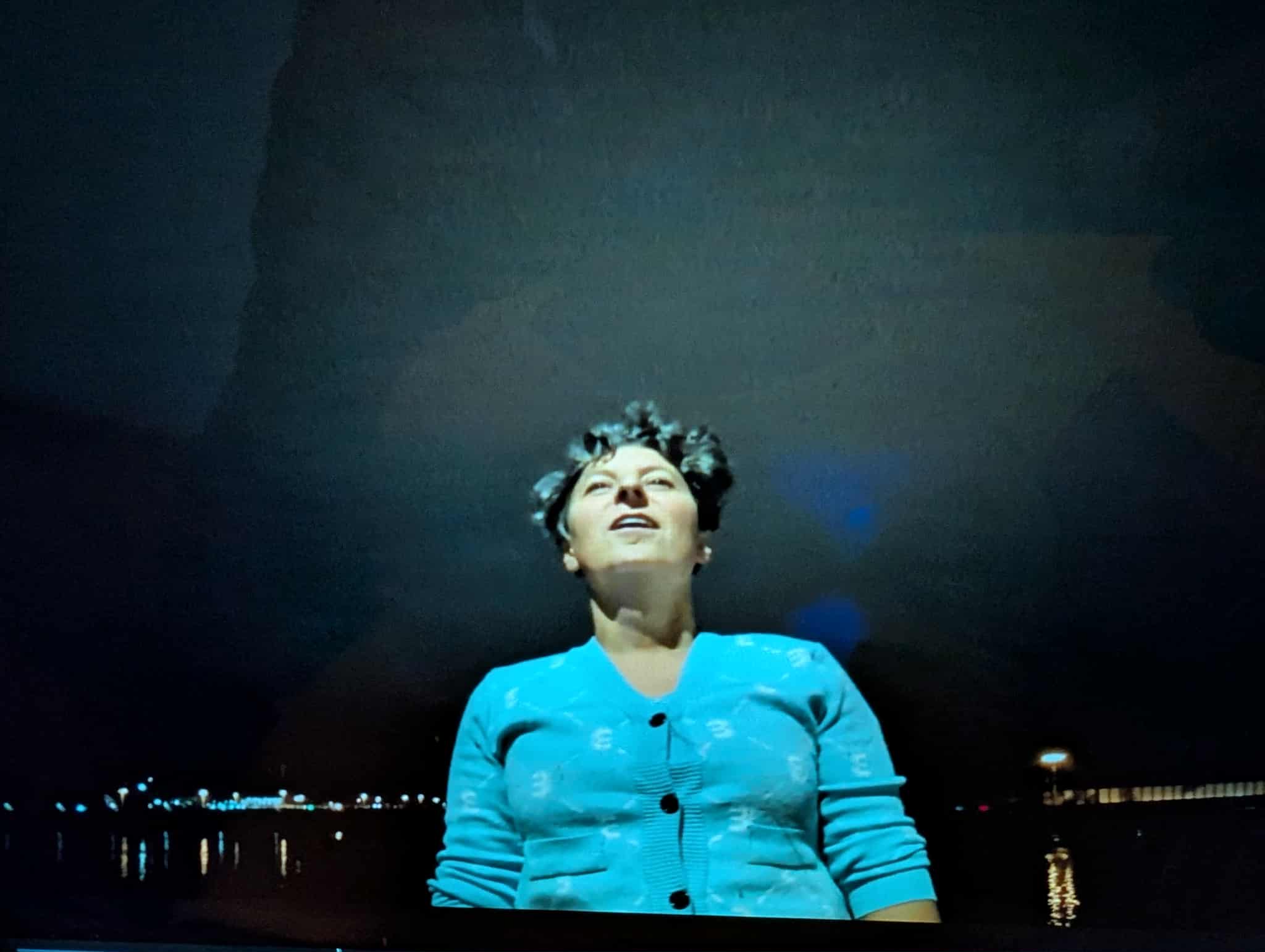
Courtroom to Cabaret: The Story of Cassy Judy.
To comprehend how heavy this release was, you must consult the road Cassy Judy has gone down to get this far. Her creative personality is closely connected with her career and personal past. Her experience within the Broken Hill cannot be overestimated. Being a criminal attorney in that particular, pressurized setting provided her with a point of view that the majority of songwriters simply lack. She talks of seeing things that would never leave her memory, and that is the haunting memory that is interwoven in the linen of the EP.
Here Victoria Chen–this crossing is an interesting one. In most cases, artists attempt to conceal their day jobs so as to preserve a mystique behind that. Cassy does the opposite. She sits well into the injustices of capitalism and division of society, and her legal expertise to burn her lyrical fire. She has an open conversation on how certain suburbs are considered nice and others too dangerous and asks the listener to question his biases. This is the correspondent in her coming out with music; she is writing on the battle lines of social disintegration.
The other central tenet of this release is her experience of being a trans woman. The songs do not merely represent the world but are statements of self. One of the tracks “Trailblazer” was a result of a conversation with her mother when she explained that she needed to leave her own mark. That bit of motherly advice has become a slogan of the whole project. Whether it is in community work to raise trans rights or inclusion in the Coogee Women’s Pool, Cassy is an artist who is activism through her work.
She draws music-wise on a vast range of influences. You can feel the dramaticness of her cabarets, yet there are also references to pop icons such as Madonna, especially in the bridge of You Are Gunna Get Sent. The result of this uninhibited combination of social commentary on high stakes with pop sensibility is what makes her work stand out. She is not aspiring to be the next Bob Dylan or even the next Lady Gaga, she is merely attempting to be the most correct Cassy Judy.

The Mixtape as a Manifesto
It is instructive that the decision to name this project The Cassy Judy Mixtape was made. A mixtape suggests a set of incompatible songs, passed to another individual with some purpose in mind. It allows for imperfection. It means that a demo version of a song can be placed adjacent to a full-blown studio song. This structure is appropriate to Cassy as it also reflects the fiery life she is living.
Visibility is the premise of the EP. It is the thing about being observed in a world which likes to turn a blind eye. The emotional base is provided by the song, Learn to Love Again by Sam Schroder. It is a song that she has dug out of obscurity after listening to it at a suburban pub open-mic years ago a song that is a credit to her ears as a good story and to her need to give a voice to others. At the other extreme would be Love Letter to Society, which she calls dripping with injustice fuelled by invective.
The album addresses the dilemma of hope and rage. You are in one swing facing the cold side of the legal system and in another swing you are welcomed in a calypso party. This whiplash is premeditated. It recreates the feeling of the disadvantaged groups of people who have to struggle to defend their rights in the morning and learn how to celebrate their life at night. The fact that it includes the name of the trailblazer – Demo Version is quite a confident step. She acknowledges that the studio versions failed to reproduce the original creative product of the GarageBand demo. She opts to use the coarse version, which instantly puts emotional truth over technical perfection, which I, as a listener, find highly admirable.

Track Breakdown and Analysis
| Track | Time | Breakdown |
| 1. Learn to Love Again | 4:56 |
A soft, poetic opening that sets a hopeful tone. Written by Sam Schroder, this track features theatrical contributions from friends, creating a communal feel. It’s the calm before the storm, showcasing Cassy’s gentler vocal delivery. 111111111111111
|
| 2. Love Letter to Society | 3:43 |
The mood shifts drastically here. This is the lawyer speaking. The lyrics are sharp, fueled by the injustice she has witnessed. It captures the frustration of understanding exactly how unfair the world can be. 22222
|
| 3. You’re Gunna Get Sent | 3:49 |
A jeering commentary on the legal system. It mocks the fear of those hoping for justice in a flawed system. The bridge pays homage to Madonna’s Dear Jessie, blending pop culture with biting social critique. 3
|
| 4. Trailblazer – Demo Version | 2:18 |
Recorded on an iPad in GarageBand. It’s raw, lo-fi, and brimming with the original spark of inspiration. A direct result of her mother’s advice to “put her own stamp on things.” 4444
|
| 5. Xanthan Gum | 0:57 |
A short, sharp palate cleanser. This track flicks the switch to “party time,” offering a burst of upbeat energy to break up the heavier themes. It showcases her humor and refusal to take herself too seriously. 5555
|
| 6. I’ve Come So Far – Calypso Version | 3:59 |
Born from a technical malfunction at the Broken Heel Festival where she had to play acoustic, this version captures that spontaneous, communal joy. It’s a celebration of distance traveled, both geographically and personally. 6666666
|
| 7. Fly Away | 1:58 |
A futuristic closer. It envisions a world of hyperloops and easy travel, offering a hopeful, sci-fi tinged looking glass into the future. It ends the tape on a note of optimism. 7
|