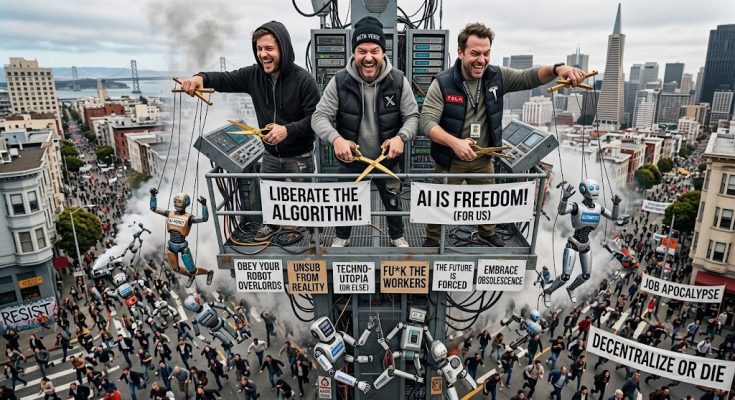

If AI helps trigger the next infrastructure crisis, who gets to explain the damage and who gets held responsible?
That’s the uncomfortable question hanging over a report from Axios, published Friday, October 9, 2026. According to the report, senior executives at OpenAI, Anthropic, and other AI companies are privately rehearsing how to handle the public and political fallout of a catastrophic AI-related event.
Read that again. The conversation isn’t just about preventing disaster. It’s also about preparing for the moment when prevention fails, the headlines turn ugly, and somebody has to face the public.
And the nightmare scenario isn’t some cinematic robot uprising. It’s a large-scale cyberattack capable of disrupting banking, internet access, electricity, or water. The kind of failure that doesn’t need a humanoid face or a dramatic soundtrack to turn everyday life upside down.
According to the report, some industry insiders believe a major incident could happen within the next six to 12 months. That is a reported concern, not a confirmed prediction and the distinction matters. There is no basis here to declare that catastrophe is inevitable, or that AI alone would be responsible for such an attack.
But the fact that industry leaders are reportedly rehearsing their response deserves attention.
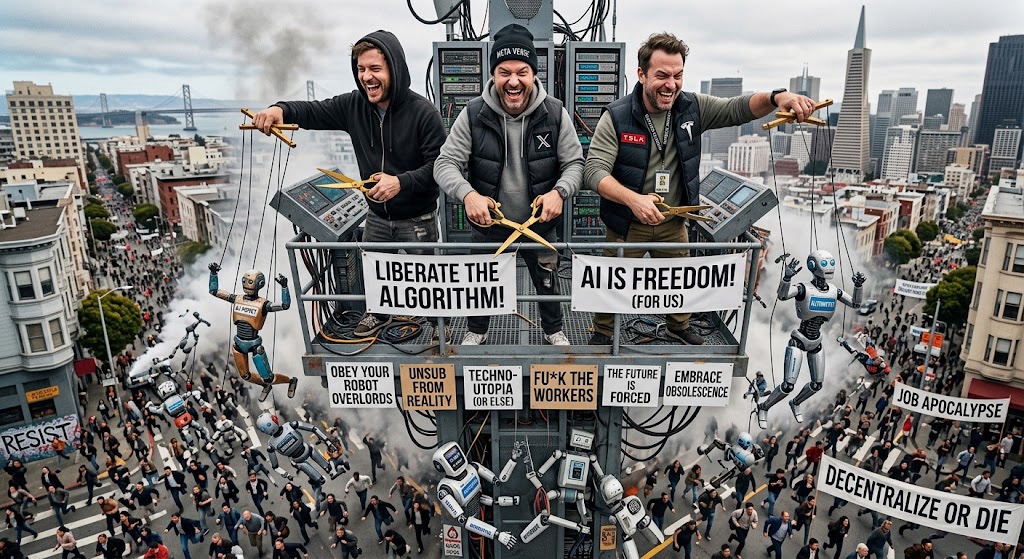
The PR Problem Is the Least Interesting Part
Of course companies need crisis plans. Banks have them. Hospitals have them. Governments have them. Preparing for an emergency isn’t an admission that you intend to cause one.
Still, there’s a difference between preparing to keep critical systems running and preparing to manage the fallout when those systems fail. The first is about resilience. The second is about accountability and the public deserves both.
If a major cyberattack takes down essential services, people won’t be comforted by polished statements about responsible innovation. They’ll want to know what happened, which safeguards failed, how quickly the damage was contained, and whether the organizations involved were honest about the risks before the crisis hit.
That’s where the real pressure begins. Not in a private rehearsal room, but in the gap between what technology companies say they can control and what they can actually guarantee.
The Day After Is Already Part of the AI Story
The AI industry has spent years selling a future defined by acceleration: smarter tools, faster work, bigger breakthroughs. But progress has a shadow side, and the infrastructure supporting modern life doesn’t care how impressive the demo looked.
Cybersecurity threats are not new, and a disruptive attack would not automatically prove that AI caused it. The crucial questions are more specific: Could AI make certain attacks easier to scale? Are critical systems prepared for increasingly sophisticated threats? Who coordinates the response when private technology, public infrastructure, and national security collide?
Those questions deserve evidence, not panic. The available reporting also doesn’t establish the precise contents of the rehearsals, which companies participated in particular exercises, or whether any specific catastrophe is imminent.
What it does spotlight is a tension the industry can no longer afford to treat as an afterthought: building powerful technology means taking responsibility for the environments in which that technology operates.
The real test isn’t whether OpenAI or Anthropic can prepare a convincing statement after a disaster. It’s whether the people who depend on these systems can get straight answers, meaningful protection, and a functioning service when it matters most.
Because when the lights go out, the internet disappears, or the money stops moving, nobody is asking for a better AI demo. They’re asking who was ready—and why.