Some tracks hit like sermons with scars. “Be A God,” the newest release from California-based artist Godface, doesn’t ask for your attention—it commands it. This is hip-hop that stomps in the dirt and prays with its fists still clenched. Blending conscious grit with spiritual urgency, Godface delivers a piece that’s raw, unpolished, and defiantly divine.
Dropped in the early hours of June 27, 2025, the single marks another brick laid in the evolving temple of Godface’s career. At 37, he’s not chasing TikTok virality or mimicking drill formulas. Instead, he’s building something heavier: a catalog rooted in soul-searching, street dialect, and unapologetic rebellion against shallow modernity. The beat isn’t there to decorate—it’s there to drag you through the alley of your own ego and dare you to rise above it.
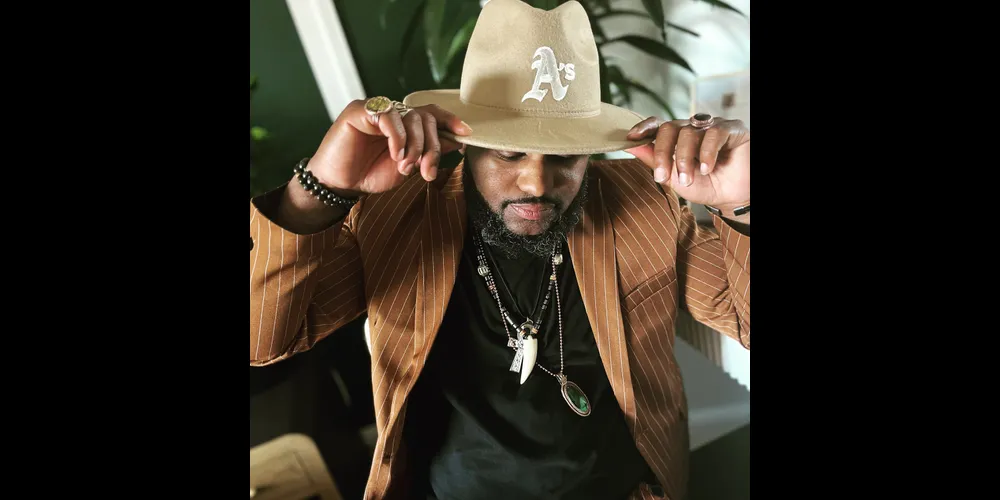
Who Is Godface?
A name like Godface doesn’t whisper. It speaks in symbols, contradictions, and layered intentions. Hailing from California, the artist has carved out a space for himself as an unorthodox presence in independent hip-hop. He’s not easy to categorize—and that’s intentional. Drawing from a fusion of spiritual themes, controversial metaphors, and street intelligence, Godface crafts music that pushes listeners to think, question, and ultimately reflect.
He’s not trying to be your preacher, but he might still change the way you pray.
While many artists flirt with higher consciousness through vague references and safe philosophies, Godface strips the glamour and gives you the real—the loneliness of becoming, the chaos of purpose, the war between flesh and vision. “Be A God” is just the latest extension of that mission, asking: What if divinity isn’t something you worship but something you become?
Themes Behind “Be A God”
This record isn’t some motivational anthem dressed in spiritual cliché. There’s a density here, a rawness to the delivery and writing that points to years of internal dialogue finally being externalized. You can feel it in every bar—Godface is peeling back masks. He doesn’t want you to believe in him. He wants you to believe in yourself at your most relentless, your most uncompromising, your most elevated.
The lyrics balance swagger and introspection in ways that rarely coexist comfortably. That’s what makes the record so striking. One minute, he’s challenging the listener to rise—“Be a god, not a fraud”—and the next, he’s admitting to battles with doubt, paranoia, and the temptation of pride. It’s this duality that gives the song its depth: Godface isn’t just selling elevation—he’s confessing the price of it.
There’s also a deliberate rawness to the recording. The vocals aren’t overprocessed or polished to perfection. You can hear the gravel in his voice, the occasional unfiltered breath. These imperfections breathe life into the record, reinforcing its central thesis: godhood isn’t about being flawless—it’s about embracing the flame, flaws and all.
Production Notes
The beat comes in like a ritual. Bass-heavy but not overbearing, the production feels more like a pulse than a rhythm. The instrumental’s minimalism is its strength, giving space for Godface’s words to do the heavy lifting. There’s a ghostly synth line that hovers in the background like a question you can’t quite answer, and the drums feel as though they were pulled from a cipher circle held in a church basement.
The track could benefit from slight enhancements in the mix—particularly in the lower mids where vocals occasionally muddy the instrumental clarity. But even those moments contribute to the grit and gravity that define this record. One could argue that polish would have dulled the blade.

These aren’t just clever bars—they’re affirmations weaponized. There’s an almost militant tone to how Godface frames self-elevation: less self-care, more self-conquest. It’s a stark contrast to the hollowed-out bravado found in much of modern hip-hop. Here, confidence is earned, not imitated.