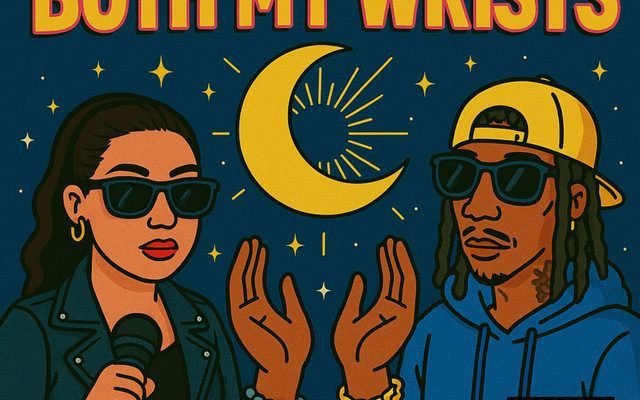

Tamara Jenna, a Birmingham based producer is working on a catalogue that is said to refuse to bow down to industry predictability. Out of her home country in the UK, she has been able to continually blur the line between the alternative rock edge of the United Kingdom and the prestigious hip-hop powerhouse that is the United States. Having previously collaborated with heavyweights like Moves featuring Lil Wayne and Return On Investment with Beka Barz featuring Gucci Mane, Jenna has demonstrated an aptitude to make space in a landscape which, too often, canvas women- even and especially including Black women- who do not fit the mainstream profile. Her most recent song, Both My Wrists where she features Wiz Khalifa is par excellence trending further forward, daring, glible, and unreservedly ambitious. The song was released on August 8, 2025, through TJPL Music Global (a subsidiary of TJPL Media Network) positioning Jenna as both a cultural bridge between grit and luxury rap as one cultivated in the Birmingham sludge compared with lineage that raised her in the states.
The striking nature of Both My Wrists is not only in the high profile feature, however, but the message of self-worth and ownership in the song. The tune and the lyric in the refrain already to this materialism allude, but the higher occupation is not materialism. It is a matter of taking back a place where society has forever sought to subjugate voices like that of Jenna. She is not simply flexing, she is demanding the attention due her, in an industry that has continually omitted Black and Brown creators when it comes to the trends, but constantly uses their style and input to drive them to success.
The sounds are appropriate to the production of alternative indie R&B with lofi hip-hop beats, which is intentional as this choice helps to make it palatable by blunting its edges. There is a contradiction to the record – it is polished enough to be kept on playlists, but also so persistent and existential it cannot be deleted. As opposed to the presence of Wiz Khalifa serving as a crutch, his presence instead frames the words of Jenna as just as important, which serves as quite a compliment to the young singer considering her potential status as artist ready to freshly enter the international stage.
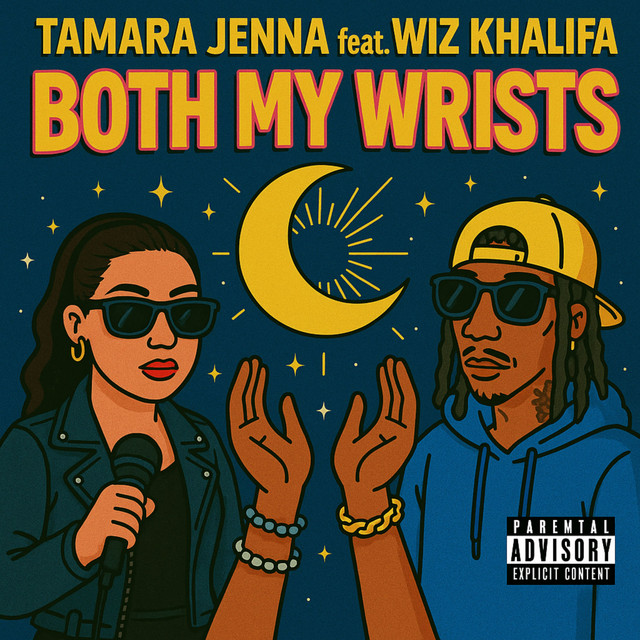
Being true braverado is in full play beneath the machismo reigns, there is a lesson in leadership in the life-withstanding circumstances: being able to survive despite the system. In an environment where, especially Black women experience industry obstacles compounded more times than not, Jenna taking steps to lock in collaborations of this caliber is more than a career strategy. It is an extreme statement of her right to be a part of the international debate. Using legends to her advantage, she is not doing it to pursue clout. She is changing the industry discourse on the people who should be allowed into those spaces.