Imagine that you have entered a figurative menagerie with concrete walls, flickering neon lights, that resemble the eyes at a distance and each verse is oozing with narrative. There you are welcome to the debut album of Raubtier Kollektiv, Zoo Deutschland. This is an animal-themed mini album (under 20 minutes) released on August 7, 2025, via Neural Pantheon Records and written in Hamburg, Germany, which scouts through themes of loyalty, betrayal and survival in the street, disguised as an animal.

The introductory song, “Der Elefant,” strikes a thundering chord of rhythmic bass and hook, which ascends on doubled voices- a statement of knowledge and calm superiority over brute force.
It is a film, yet it is never glamorous and it puts you into the figurative zoo where every beat and bar discloses territory.
With each beat, you find an animal–crocodile cries feigning fear, hyena laughs mock betrayal, Gorilla Geschftes (Gorilla Business) thumps with his fierce pronouncements, and Adler Perspektives (Eagles Perspective) carries you skyless with piano and orchestral swells, thinking on the isolation of ascending.
Raubtier Kollektiv is the work of an underground collective in Hamburg originating in the gritty streets of Hamburg. The name itself, “Predator Collective” is an address to an identity that is created in the periphery, in voices that develop in darker streets and wake up in rebellious screams. In a recent interview, the artist tells that Zoo Deutschland was a well considered record as a full story of survival, power relations, and inside knowledge of urban life, that all of the songs have a Zoo animal character, starting with an elephant, then a zookeeper.
This character does not rest on generalizations. The elephant stands for measured strength and memory. Hyenas embody false alliances. The eagle looks at the isolation of success. And the zookeeper–he turns the mirror round–thinking whether the authority is in the cage.
That metaphorical stratum is a result of lived experience–both setting and protagonist are the streets.
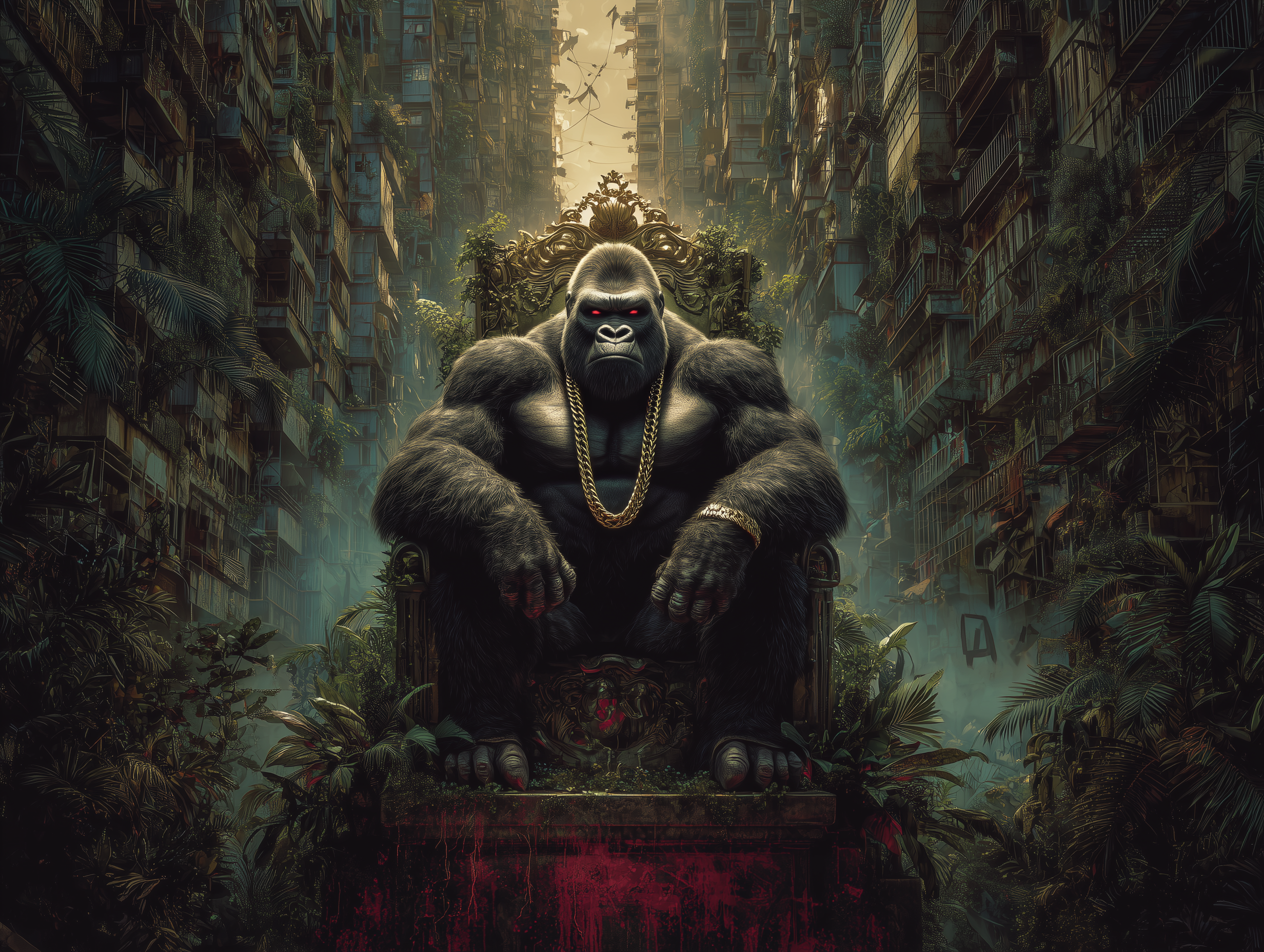
The inspiration on the musical level is equally lively: trap music sounds hit like gorilla fists, cinematic characters go round the orchestra, and harmony of aggression and melodic piano sounds suggest the cinematic frames.
The partnership with Neural Pantheon Records provides clarity and depth without sheen that conceals grit.
Essentially, it is not an album that is being thrust off the charts, but a kind of survival by beasts and keepers of the urban chorus and metaphor is the survival strategy and story telling is the means of defiance.
At its very essence, Zoo Deutschland develops a bright allegory: the city itself is a zoo, people living in it are animals, and structures of power are cages, both visible and invisible. The trip weaves through predator psychology, injured survival system, and novel criticisms.
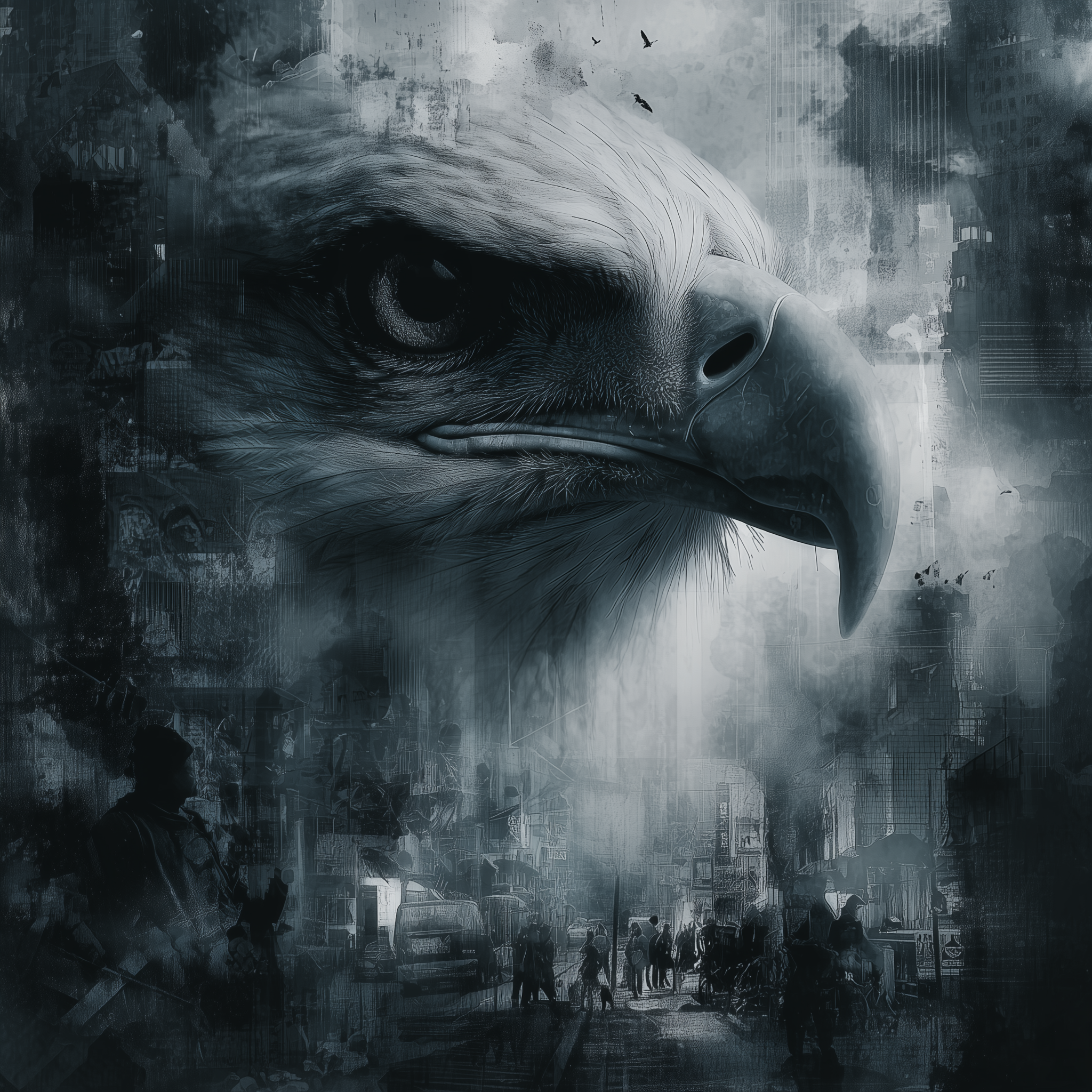
With each song, the emotional spirit changes: the weight of the elephant brings memory cum collectivity together; the tears of the crocodile and the laughter of the hyenas criticize performance vulnerability; the gorilla businesses the ruthlessness of the transaction; the eagerness of the eagles indicates the cost of ambition; the stripes of the tigers transform the struggle into an identity; the mood of the night in the zoo reminds the reader of the looming danger; and, finally, the zookeeper asks who orders around in the city.
The album’s structure–short but potent–furthers its punch. There is no fat in the tracks: averaging about two minutes, each lyric, beat, and pause counts. Such restrained rhythm resembles the survival strategies the album discusses: fast, measured, concise and vigilant.

It is in itself emotional–it requires acknowledgment of the way cities can make even the most savage instincts submissive, and how instincts, even after the taming, can yet arouse revolt. The last song presents a question, not an answer, who fences whom?

Tracklist & Breakdown
| Track | Time | Breakdown |
|---|---|---|
| Der Elefant | ~1:56 | Opens with heavy bass and doubled vocals—commanding presence and grounded strength in a short explosion. |
| Hyänen Lachen | ~1:56 | Cynical, mocking tone; sharp rhythms portray trust betrayed by laughter. |
| Gorilla Geschäfte | ~2:12 | Pushing aggressive verses and trap energy, delivering raw declarations of street commerce. |
| Nachts im Zoo | ~1:51 | Brooding, atmospheric; nocturnal shadows, quieter pace leading to tension. |
| Krokodil Tränen | ~2:12 | Orchestral buildup into biting criticism of feigned emotions and falsity. |
| Pavian Party | ~1:61 | Ominous, chaotic energy; villainous laugh intro sets wild, alarming tone. |
| Adler Perspektive | ~2:24 | Melodic piano and swelling orchestration; reflection on the solitude of rising above. |
| Tiger Streifen | ~2:05 | Ominous piano intro shifts into aggression; recorded survival badges in lyrical stripes. |
| Zoo Wärter | ~2:34 | Cinematic orchestral opening, sharp delivery; ends abruptly, questioning who holds control. |
In our editorial vision, we draw focus to this release—an offering that carries the weight of craft, intention, and presence. Whether this is your first encounter with Raubtier Kollektiv or a continued step along their path, the music calls for your full attention.
Connect with Raubtier Kollektiv For More:
Follow

| Ingredients | Details |
|---|---|
| Artist | Raubtier Kollektiv |
| Flavor | Gorilla Geschäfte |
| Bake Time | 2025-08-07 |
| Serving Size | Zoo Deutschland |

This feature isn’t just a spotlight—it’s an invitation to witness an artist shaping sound into movement, carving space where boundaries fade and momentum builds. We honor this release as part of the growing current, a signal to all who gather here.