
Which book’s world would be the absolute worst to live in?
What if the most dangerous person in the room wasn’t carrying a weapon, but simply knew exactly what to say to make you put yours down?
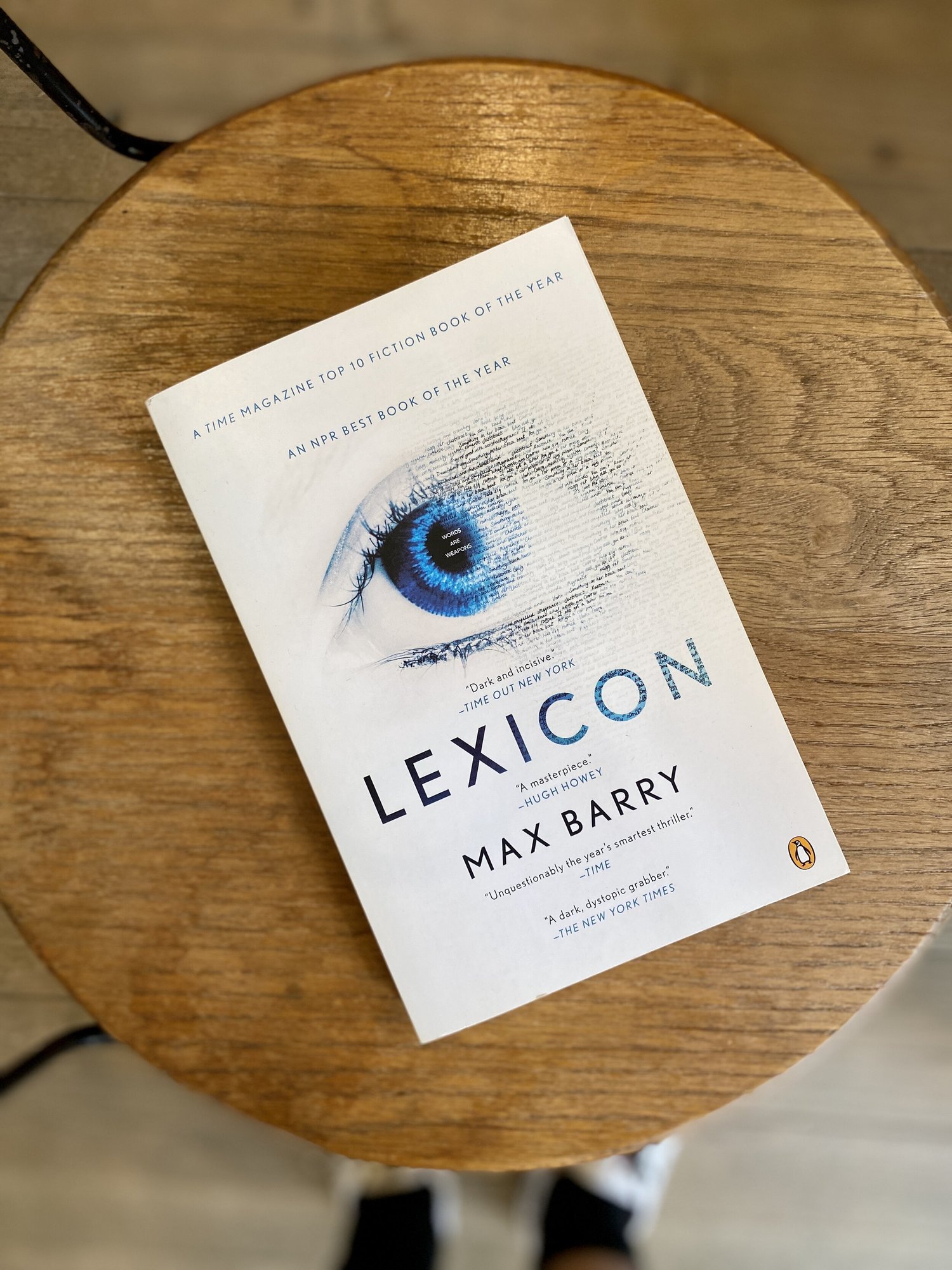
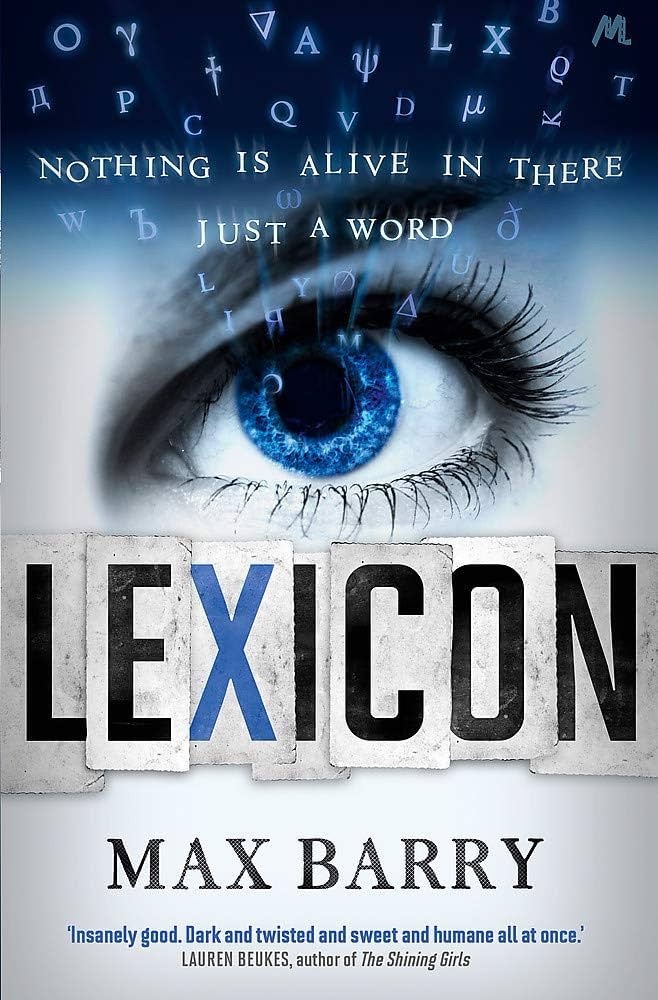
That’s the deliciously unsettling nightmare at the heart of Lexicon by Max Barry. Forget the usual dystopian checklist of crumbling cities, authoritarian governments, and suspiciously cheerful propaganda posters. Give me a world where language itself is the loaded gun, persuasion is a form of violence, and the wrong conversation could leave you questioning whether your last thought was even your own.
Now that’s a bad neighborhood.
Published in 2013, Lexicon takes the ancient human suspicion that words have power and pushes it into thriller territory. Barry builds a story around people who use language to influence and manipulate others, turning rhetoric into something far more sinister than winning an argument on the internet. Here, the ability to speak isn’t merely a social skill. In the wrong hands, it’s a weapon that can reach inside somebody’s decision-making and start pulling levers.
And suddenly, every conversation feels different.
The Horror of Never Owning Your Mind
Imagine waking up tomorrow and realizing you can’t trust the person who just told you good morning. Not because they’re lying in the ordinary, painfully human way people lie, but because they know the precise combination of words that can make you obey them.
Would you call that conversation? Would you call it consent? Or would you call it a violation that just happens to leave no fingerprints?
That’s what makes Lexicon such a nasty little thought experiment. The poets aren’t simply people with silver tongues. In Barry’s fictional world, they’re trained manipulators who study how people think and use language to influence behavior. Their power is built on the idea that human beings are patterns waiting to be understood — and exploited.
And here’s where the nightmare gets personal.
We already live in a world where words can make people buy things they don’t need, believe things that aren’t true, and hand over their trust to strangers. Advertising, political propaganda, cult dynamics, social engineering: none of these require supernatural powers to do damage. They just require someone who understands what another person wants, fears, or desperately needs to hear.
Barry takes that uncomfortable reality and cranks the dial until it snaps off.
In Lexicon, you don’t just have to worry about whether someone is telling the truth. You have to worry about whether your own mind is still yours after they finish speaking.
That’s a different flavor of fear entirely.
Welcome to the Worst Room in Fiction
The book’s premise becomes even more disturbing when you consider the poets’ culture. Barry’s secretive organization recruits talented people, trains them in persuasion, and gives them an education built around controlling others. Its members adopt the names of famous literary figures, including Eliot and Woolf, turning the romantic image of the poet into something cold, calculated, and dangerous.
There’s something beautifully twisted about that choice.
Poetry is supposed to open us up. A good line can crack a person wide open, give grief a shape, or make a stranger feel understood. We turn to books because language can help us name things we’ve struggled to feel.
But what happens when that same intimacy becomes a tactical advantage?
In this world, vulnerability isn’t necessarily a bridge between people. It can be an exposed wire. Emotion becomes information. A person’s habits, insecurities, and desires become potential entry points for someone trained to exploit them.
Living among the poets would mean navigating a social environment where the usual rules of trust no longer apply. The charming stranger might be running an experiment. The reassuring voice might be trying to steer your choices. Even a moment of genuine affection exists inside a system that treats emotional connection as a dangerous liability.
Romance with a built-in security breach? Absolutely cursed.
And forget trying to settle an argument. How do you know you won because your reasoning was better, rather than because somebody let you think you won? How do you know an apology is sincere if the person delivering it has the ability to manipulate your response?
You could spend your entire life second-guessing the moments that make life worth living.
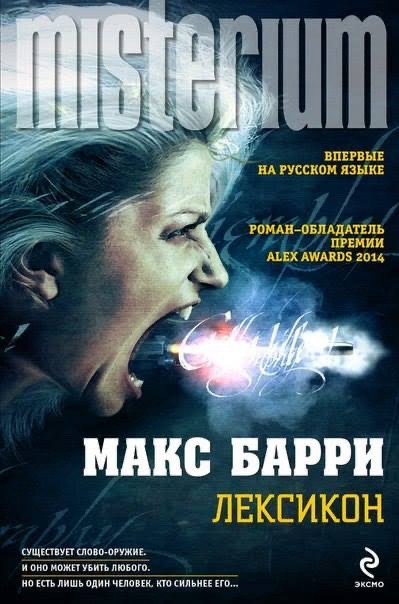
The Scariest Part Is How Familiar It Feels
The genius of this premise isn’t that it invents a completely alien kind of evil. It’s that it takes something ordinary — language — and makes us look at it sideways.
Words have always carried power beyond their literal definitions. The right sentence can comfort a grieving friend. The wrong one can humiliate somebody in front of a room full of people. A politician can frame cruelty as necessity. A charismatic leader can make surrender sound like freedom.
None of that is mind control in the supernatural sense. Real people retain agency, and persuasion isn’t automatically coercion. But the line between influence and manipulation deserves scrutiny, especially when one person has more information, authority, or leverage than another.
Lexicon turns that tension into a full-blown thriller, complete with a secret war among the poets and a catastrophe tied to a dangerous word. Its plot follows Emily Ruff, a young woman recruited into the organization, and Wil Parke, a man caught in its violent machinery who doesn’t understand why he’s being targeted.
The result is more than a clever science-fiction gimmick. It’s a story about the terrifying distance between what we think we’re choosing and what somebody else might be trying to make us choose.
And honestly? That’s the kind of speculative fiction that sticks around after the final page. Not because it predicts the future, but because it makes the present feel newly suspicious.
So, Would Lexicon Be the Worst World to Live In?
For me, it’s a strong contender.
A world full of monsters would be awful, sure. A dystopia where the government watches every move would be suffocating. But there’s a particular cruelty to a world where the basic tools of human connection can be turned against you.
You need language to make friends, fall in love, ask for help, defend yourself, and tell somebody you’re hurting. You can’t simply opt out of it. Even silence can become something other people interpret.
That’s what makes the poets’ world so claustrophobic. The danger isn’t confined to a battlefield or a locked room. It can walk right up to you, smile, ask how your day is going, and make the most ordinary interaction feel like a trap.
And the worst part? You might never know it happened.
That’s the question worth carrying beyond the book: if someone could manipulate your thoughts with perfect precision, how much of your identity would survive untouched?
Lexicon doesn’t need to convince you that its fictional powers are real. It just needs to remind you that language already shapes how we experience the world — and that the person who understands your mind isn’t always the person who has your best interests at heart.
So, yes. Put me in a haunted house. Drop me into a monster-infested wasteland. Give me a spaceship with something ugly scratching at the hull.
Just don’t put me in a room full of poets who know how to make me do whatever they want.
I’ll take my chances with the monsters.