
Born in the shadows of Philly’s concrete pulse and raised in Gaithersburg, Maryland, Talmadge Hugh Lamont Whitaker Jr., better known as T. Witz, isn’t just another underground rapper — he’s a self-made builder, a grief-forged craftsman, and a relentless voice for those who create in the face of silence. One of ten siblings, Witz grew up in the kind of noise that molds you or breaks you. When he lost his younger brother Terrence in 2013, it didn’t end him — it lit something. Instead of folding, he turned hardship into hymns, mixing his own tracks, launching a business, and moving with calculated fire. If you’ve been sleeping on the name, “Don’t Feed The Trolls” is your rude awakening.
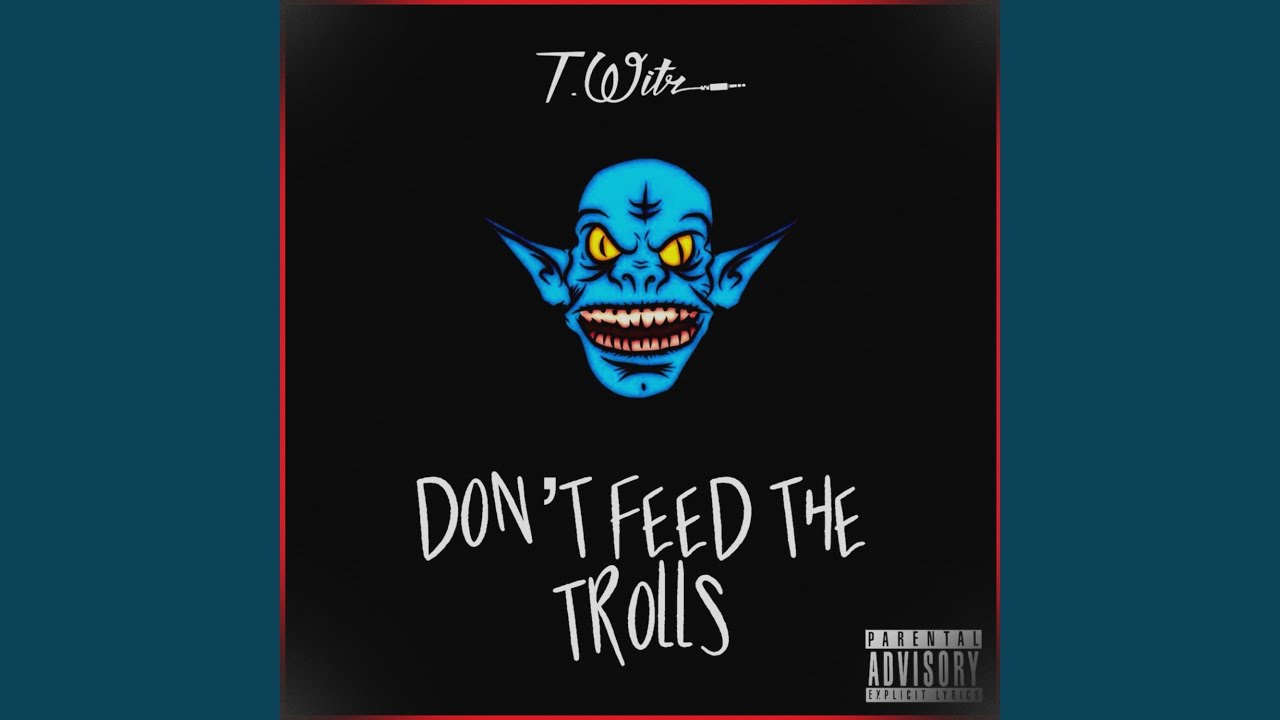
“Don’t Feed The Trolls” is the war cry of someone who’s been too generous with their energy. It’s a song that rises out of frustration — not the type that simmers quietly, but the kind that kicks down your door and throws your doubts into the street. T. Witz isn’t here for cheap applause or online algorithms. He’s here to let the vultures know: this spirit doesn’t feast on validation.
Using a gritty boom bap skeleton layered with autotuned vocals (used strategically, not sloppily), the track oscillates between internal declaration and external confrontation. The autotune gives his delivery an uncanny texture — part emotional armor, part digital distortion — almost as if to say, you won’t recognize the real me anyway. It’s not trying to be perfect. It’s trying to be heard.
The theme of social media burnout lingers beneath every bar. The trolls Witz references aren’t just random haters. They’re symbolic of the parasitic noise that comes with constantly putting yourself out there — people who ignore your grind, then scoff at your glow-up. This isn’t just about clapping back at online negativity; it’s about learning to withhold your light from those who refuse to grow. The opening line, “Grand rising…” sets the tone — not as a performative greeting, but as a daily ritual of resistance. Every day he chooses to rise is a refusal to quit.
What truly sets this track apart, though, is the rebellious joy embedded in its defiance. Witz doesn’t sound broken by the hate. He sounds lifted. Fueled. There’s a lesson here that sits deeper than the beat: sometimes the most powerful protest is not feeding the fire. Joy is resistance. Joy is reclamation. Joy is not for sale.